As an Amazon Associate, this website earns from qualifying purchases.
Tokyo is a goldmine for vintage enthusiasts, with districts like Shimokitazawa and Harajuku blending modern trends with nostalgic pieces. Popular shops such as RagTag and 2nd Street offer a wide selection, while luxury-focused stores like Amore Vintage and Casanova Vintage showcase high-end bags and accessories. Outskirts like Kawasaki and Kobe have sprawling markets with rare finds at often better prices. For savvy shoppers, knowing about tax-free deals and visiting multiple stores maximizes savings—discover more tips to refine your vintage adventure.
1. Discover Tokyo’s Top Vintage Districts and Neighborhoods
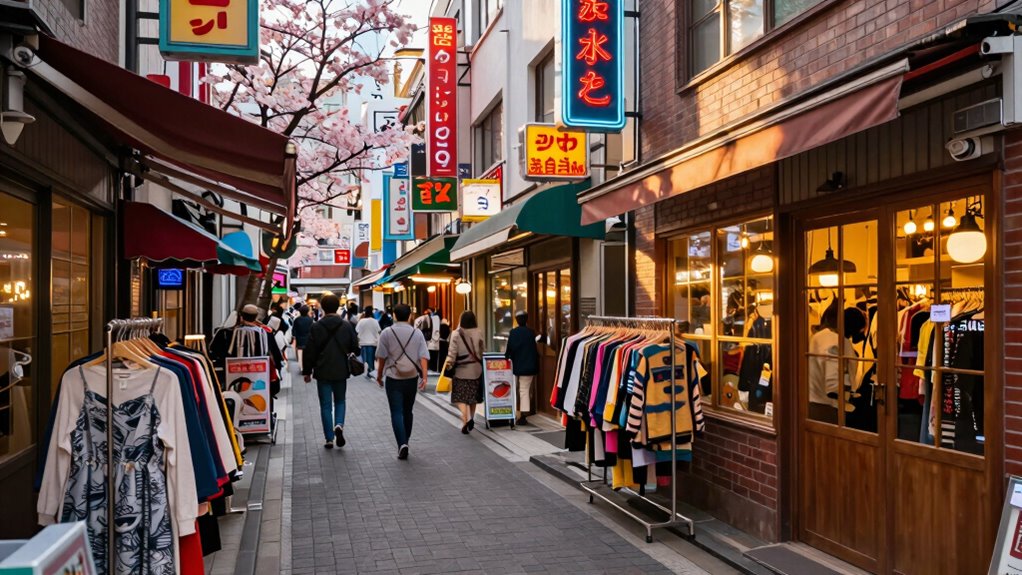
Ever wondered where Tokyo’s best vintage shopping spots are? The city boasts several vibrant vintage districts, each with its unique charm. Shimokitazawa, known for its bohemian vibe, is a laid-back hub filled with small independent shops selling vinyl records, books, dishware, and vintage clothing. Its relaxed atmosphere draws music lovers and creative souls alike.
Nearby, Harajuku offers a lively mix of youth fashion, cosplay, and secondhand shops along Takeshita Street and Cat Street. It is perfect for those seeking bold styles and quirky finds. These neighborhoods are ideal for exploring Tokyo’s vintage scene, blending modern trends with nostalgic pieces.
Whether browsing through eclectic shops or soaking up the energetic street culture, visitors will find plenty of stylish treasures in these iconic districts.
2. Explore the Best Vintage Shops and Chains Across Japan
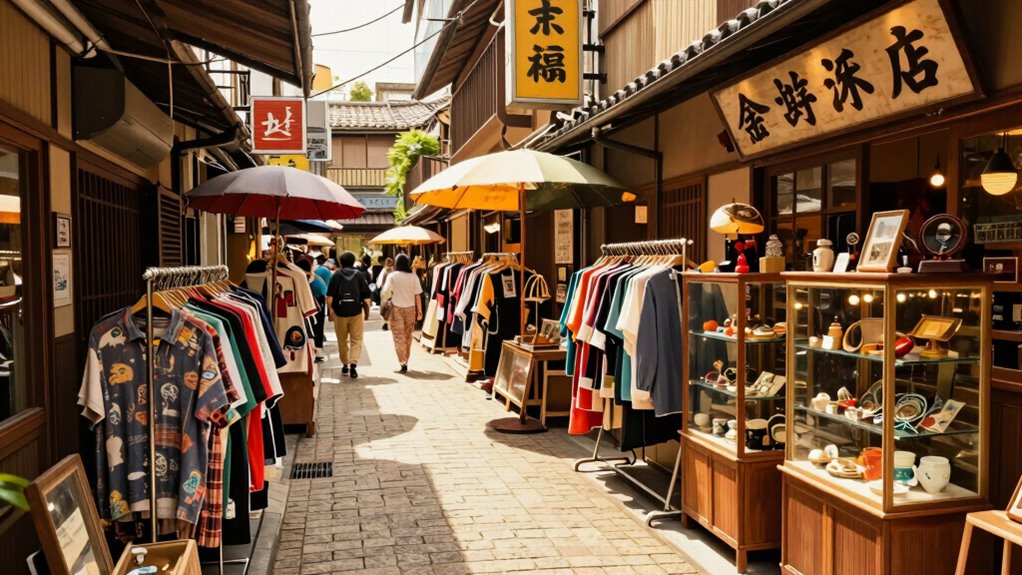
When exploring Japan’s vintage shopping scene, it’s helpful to know where to find the best shops and chains that offer a wide range of stylish treasures. In Tokyo, popular vintage shops and multi-brand chains like RagTag, 2nd Street, Kindal, and Bookoff provide a great starting point. These stores feature a diverse selection of designer clothing, accessories, and even home goods, making sourcing convenient and fun.
Shimokitazawa, a bohemian neighborhood, is home to shops like Flamingo, Pigsty, and New York Joe Exchange, offering accessible mid-range vintage finds. For special pieces, Amore Vintage in Harajuku and Casanova in Shibuya specialize in luxury bags, including Chanel, Dior, Hermès, and Louis Vuitton. Outside central Tokyo, large stores like Bookoff Super Bazaar and Atlantis Vintage help vintage lovers find unique and discounted items across Japan.
3. Find Hidden Gems: Specialty Vintage Stores for Bags and Accessories
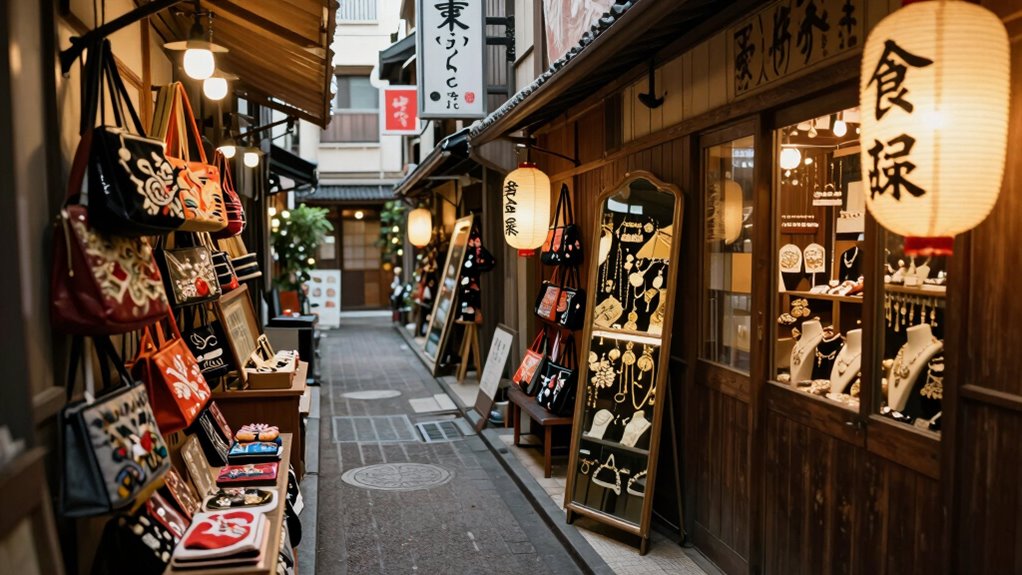
Are there hidden treasures among Tokyo’s vintage stores for bags and accessories? Absolutely. Several specialty Tokyo shops stand out for their unique collections of vintage bags and luxury accessories.
- Amore Vintage in Harajuku specializes in archival Chanel bags, making it a top spot for vintage luxury handbags.
- Casanova Vintage in Shibuya offers retro Chanel, Dior saddle bags, Hermès Birkins, and Louis Vuitton monogrammed pieces.
- Vintage Qoo in Shibuya stocks high-end brands like Bottega Veneta, Fendi, Prada, and Celine, providing a broad range of designer bags.
Visiting these shops offers a chance to discover rare vintage bags, perfect for adding a touch of vintage style to any wardrobe while exploring Tokyo shops focused on luxury accessories.
4. Venture Beyond the City Center to Uncover Unique Vintage Markets and Outskirts Shops
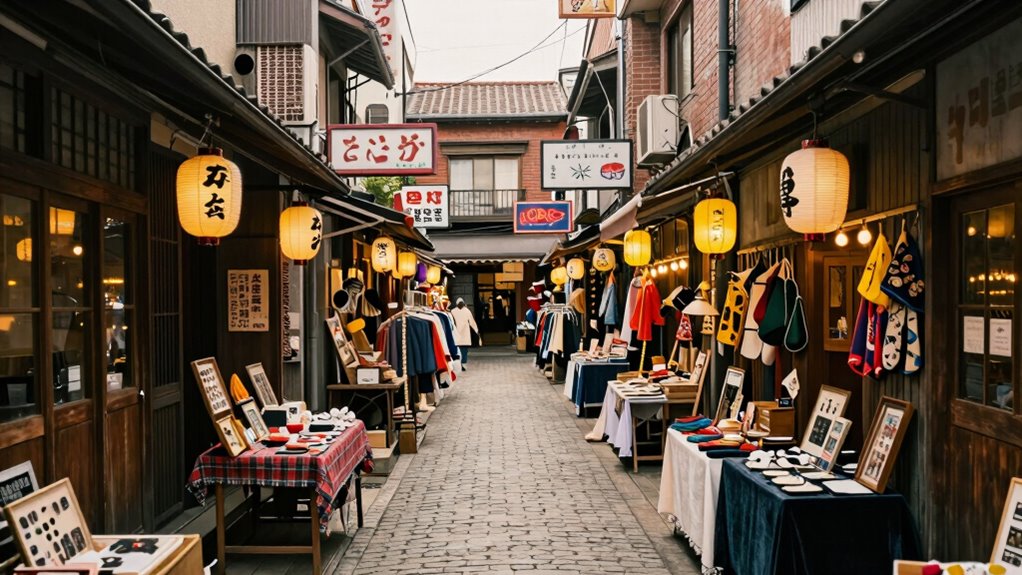
Venture beyond Tokyo’s bustling city center to uncover a treasure trove of unique vintage markets and shops nestled in the suburbs and neighboring cities.
Outskirts shops like Kawasaki’s Bookoff Super Bazaar offer a sprawling vintage megastore experience, where discounted consignment pieces, including designer names like Louis Vuitton and Chanel, await discovery. In Koenji and Hiroo, Atlantis Vintage, led by Yuji, provides access to sought-after designer items and can even find specific wish-list pieces.
Nearby cities like Kobe and Osaka feature carefully curated, multi-level stores such as Junk Shop, Acorn, and Nats, blending military and high-end designer finds. These areas often boast diverse sourcing, with consignment pieces from the U.S. and Japan. Influenced by global pickers, they make the outskirts rich with hidden gems beyond the central districts.
5. Maximize Your Vintage Shopping With Tax-Free Benefits and Tips
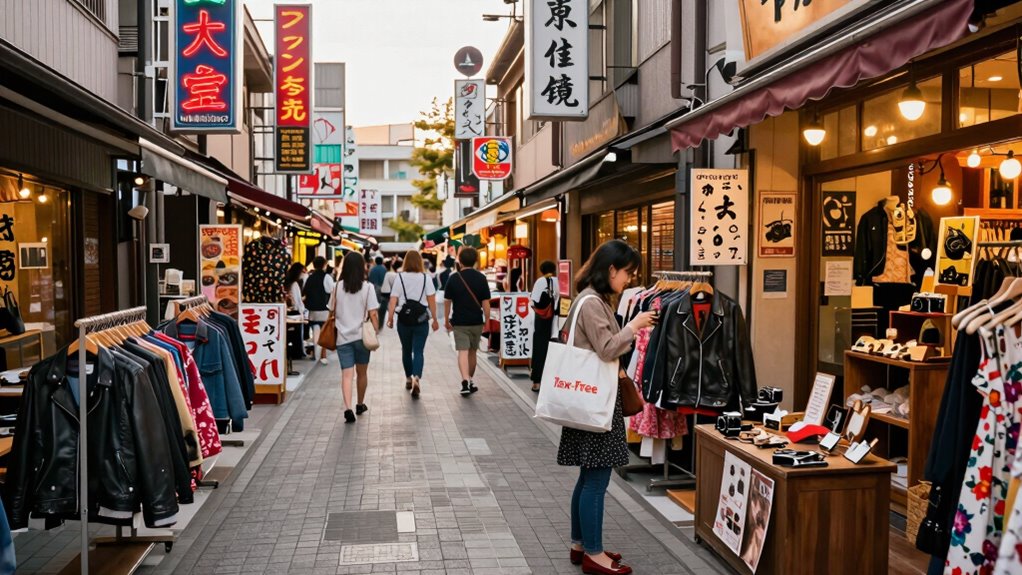
Did you know that many vintage shops in Tokyo offer tax-free shopping to visitors from abroad? This benefit can save you a lot, especially on high-end items like designer bags and accessories.
Here are three tips to maximize your vintage shopping experience:
- Check which stores offer tax-free shopping, such as Amore Vintage in Harajuku, Qoo, and Casanova in Shibuya, to ensure you can enjoy the savings.
- Bring your passport, as it’s usually required at checkout to qualify for tax-free benefits.
- Shop across a variety of vintage stores, taking advantage of tax-free status on items like bags, clothes, and accessories. This is perfect for enhancing your Tokyo fashion wardrobe.
6. Compare Tokyo, Osaka, and Kobe: Which Japan Vintage Scene Suits Your Style?
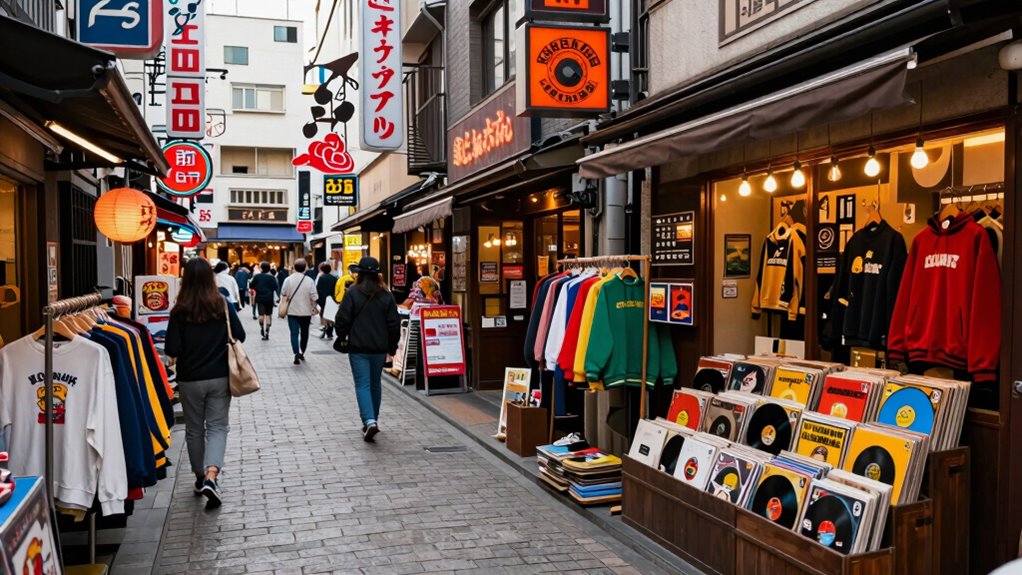
The vintage scenes in Tokyo, Osaka, and Kobe each have their own unique vibe, making it easier to find a city that matches different style preferences. Tokyo’s vast, diverse vintage shopping scene includes neighborhoods like Shimokitazawa, Koenji, Harajuku, and Shibuya. These areas feature a mix of chain stores like 2nd Street and RagTag, along with specialty shops and hidden-access stores.
Harajuku offers a playful mix of youth-driven vintage and big-brand presence, while Koenji is known for dense clusters of purist shops with lower prices.
Osaka and Kobe, on the other hand, lean toward curated inventory, with well-presented, multi-level shops offering a range of vintage military, Americana, and designer pieces. Both cities emphasize curated shopping experiences that appeal to collectors and style enthusiasts alike.