As an Amazon Associate, this website earns from qualifying purchases.
European villages offer countless charming photo opportunities. Photographers can catch the warm glow of golden hour, where stone facades and cobblestone streets light up beautifully. Capturing historic streets, narrow alleys, and colorful half-timbered houses highlights timeless architecture. Candid shots of local vendors and bustling markets bring life to scenes, while panoramic views reveal scenic countryside or coastal vistas. Quiet courtyards and hidden corners add peaceful charm. Exploring these ideas further will inspire stunning images and unforgettable trips.
1. Capture the Charm of European Villages at Golden Hour
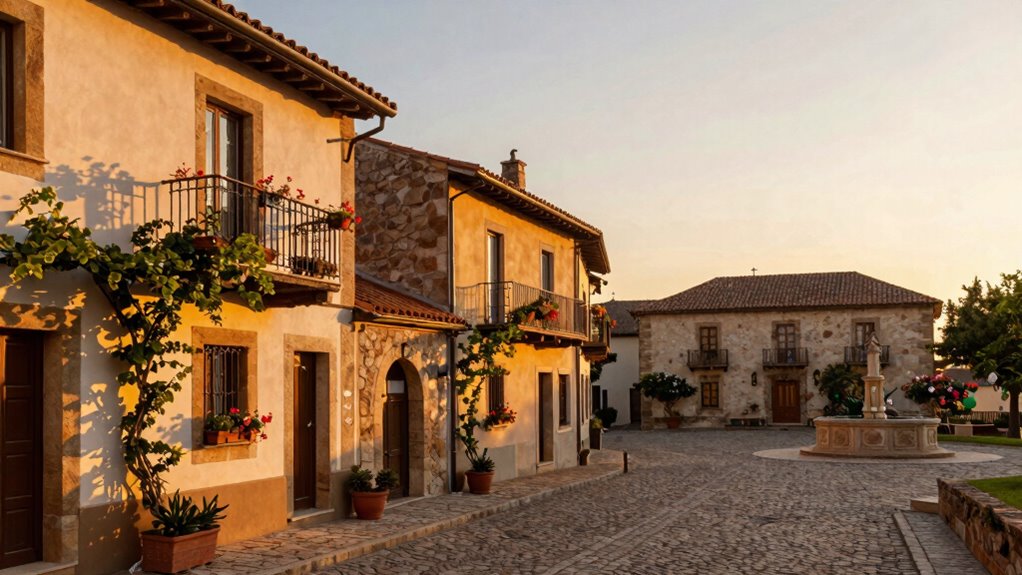
Have you ever wondered why some photos of European villages seem to glow with a magical warmth? The secret lies in the golden hour, the period just after sunrise or before sunset, when the sunlight bathes everything in a soft, amber glow. During this time, village architecture, especially stone-and-timber façades, becomes beautifully illuminated, making buildings like half-timbered houses in towns such as Gordes and Cadolzburg appear to glow.
Cobblestone streets, often winding through these villages, cast long shadows that add texture and depth to photos. The warm, directional light accentuates the historic details and creates inviting scenes perfect for capturing the charm of these places. Shooting during golden hour transforms ordinary streets into enchanting, storybook settings.
2. Photograph Historic Streets and Architectural Details
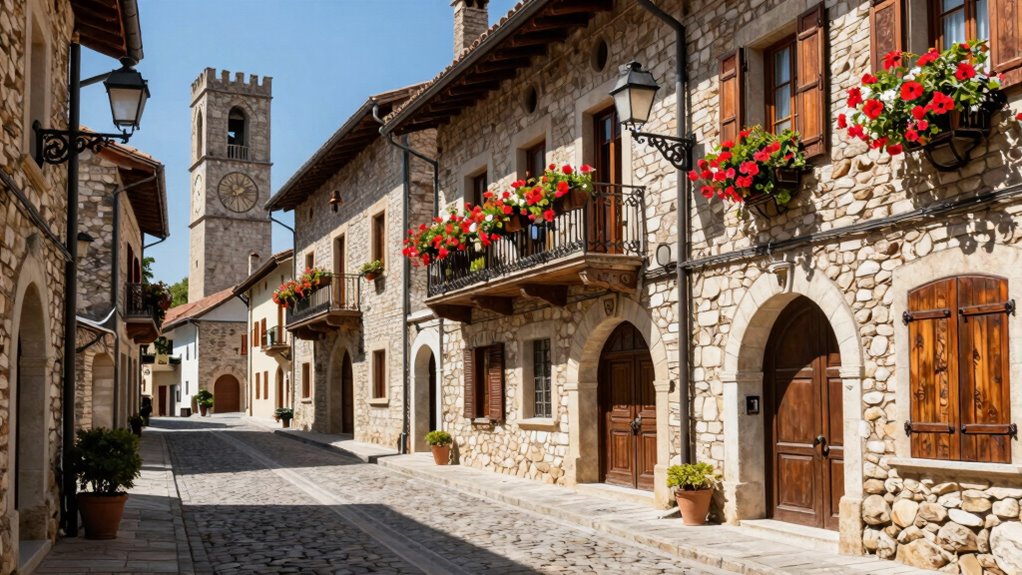
European villages are a treasure trove of historic streets and architectural details that tell stories of their rich past. Exploring medieval architecture, such as the ancient castles and stone churches, offers a glimpse into bygone eras. Historic streets often wind through towns, lined with charming half-timbered houses characterized by exposed wooden beams and colorful facades—perfect for capturing authentic village scenes.
For stunning photos, look for narrow alleyways or town squares where these buildings converge, creating a sense of time standing still. In places like Aarberg or Cadolzburg, these details highlight centuries-old craftsmanship. Taking photos during different times of day can reveal shadows and textures that make the architecture come alive.
3. Showcase Local Life With Candid Portraits and Market Scenes
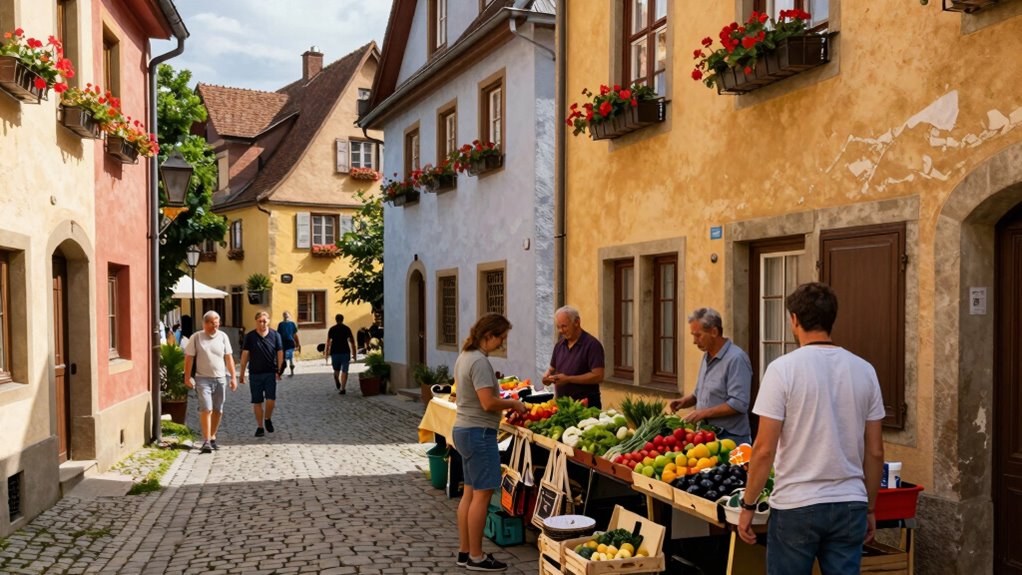
Ever wondered how to bring the lively spirit of a village to life through photography? Capturing candid portraits of shopkeepers and market vendors reveals authentic stories of local trades and craftsmanship in towns like Hallstatt, Beaune, and Gordes. Market scenes, especially bustling squares such as Haarlem’s cobblestones or Aarberg’s central hub, showcase social interactions and the rhythm of village life.
Photographers can also document daily water-centered living near canal fronts in Amsterdam, Leiden, or Ghent-style towns, emphasizing water and architecture. Including informal moments—farmers, cyclists, or people enjoying café culture—adds warmth. Framing these scenes against iconic backdrops like castle facades, half-timbered houses, or church bells helps tell stories of tradition and local flavor, bringing genuine village life into focus.
4. Frame Panoramic Views of Countryside and Coastal Villages
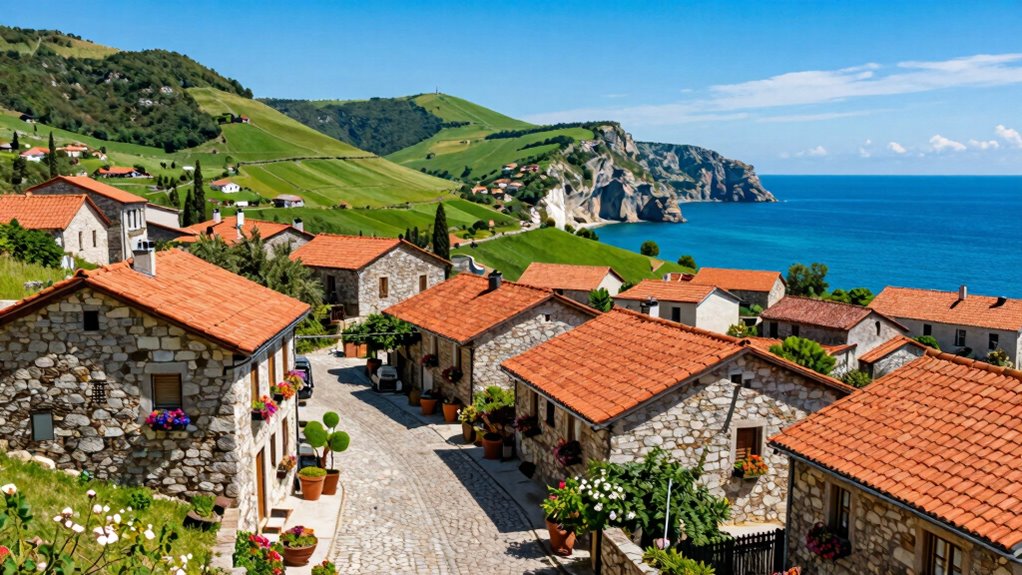
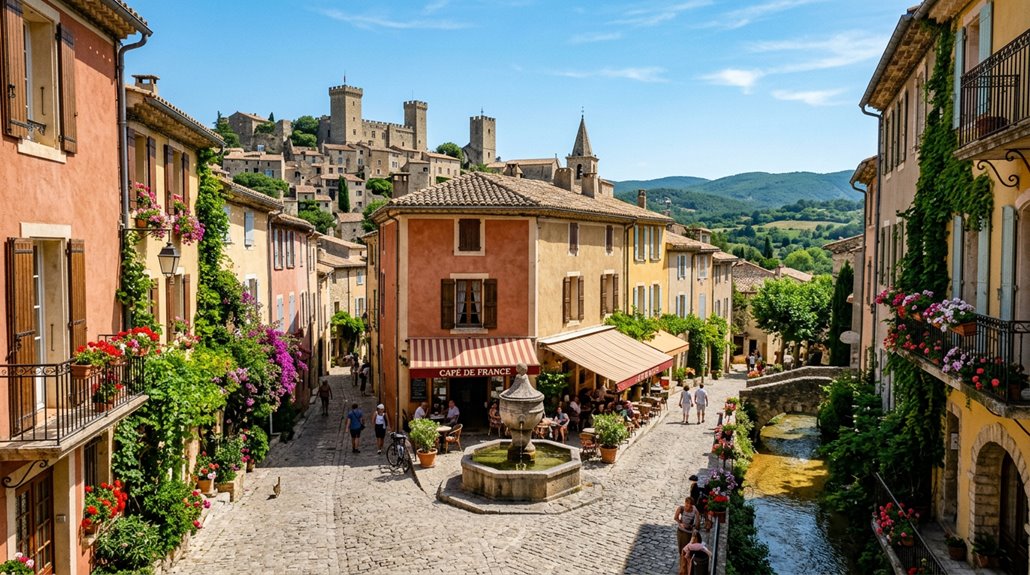
What makes a panoramic view truly enthralling? It’s the ability to take in an expansive, breathtaking scene that captures the essence of a place. European villages like Burano, with their pastel façades, offer vibrant backdrops that pop against the sky. Narrow cobbled lanes wind through charming streets, inviting photographers to frame village views that feel both intimate and grand.
From cliffside Gordes in France, overlooking the lush Luberon, to the medieval charm of Rothenburg ob der Tauber, these scenes showcase timeless beauty. Whether capturing distant coastlines or rolling countryside, panoramic shots emphasize the scale and character of these picturesque villages. The key is to find a high vantage point, allowing you to frame the colorful façades and winding lanes in one stunning, sweeping image.
5. Capture Tranquil Courtyards, Churches, and Hidden Corners
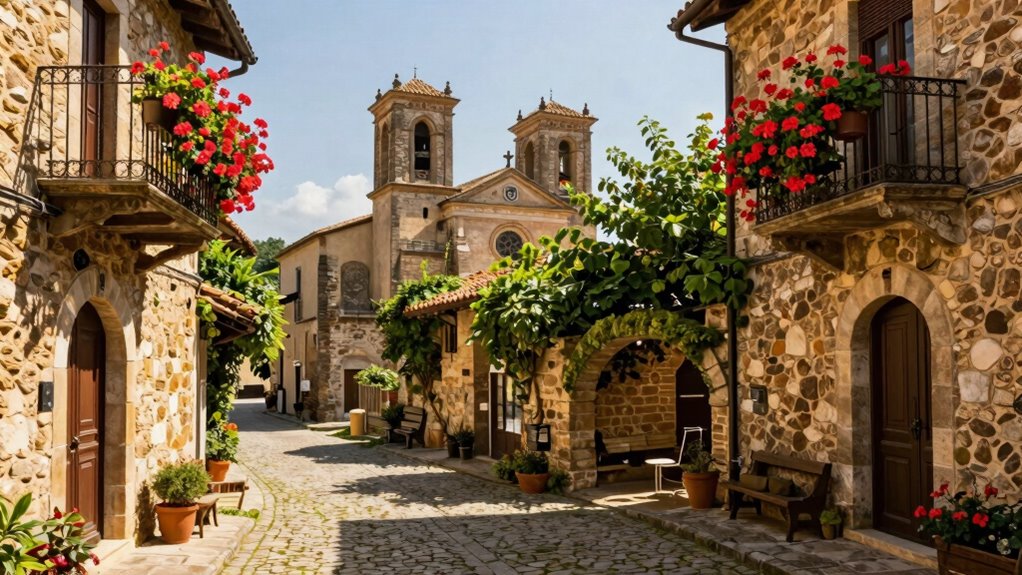
Have you ever wondered how to capture the peaceful charm of quiet village corners? Medieval villages often hide picturesque courtyards, where stone walls and flower-filled spaces invite quiet reflection. In Switzerland, Giornico’s medieval heritage showcases churches like San Nicola, with frescoes that tell stories from centuries ago, perfect for capturing history and serenity.
Similarly, France’s Gordes features narrow streets and historic fountains nestled amid hillside stone houses, offering intimate architectural scenes. Churches tucked into mountain landscapes or along cobbled streets provide tranquil focal points, especially when framed with surrounding greenery or aged stonework.
These hidden corners and charming courtyards serve as ideal spots for capturing the essence of village life—calm, history, and quiet beauty—making every shot a timeless memory.
6. Use Light and Shadows to Highlight Texture and Atmosphere
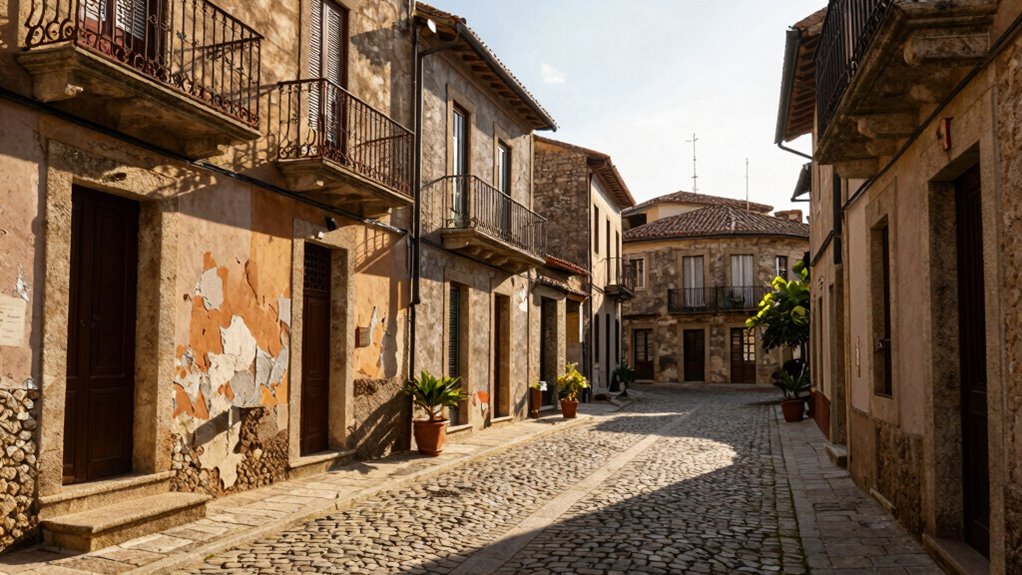
Using light and shadows effectively can transform ordinary village scenes into enchanting photographs that tell a story. The angle of late-day sun creates long shadows across narrow alleys, revealing the rich texture of cobblestones and half-timbered façades. Positioning subjects between illuminated facades and shadowed doorways produces striking contrasts that emphasize architectural depth and add visual interest.
Side lighting on doorway arches and shop awnings highlights textures like peeling paint, stucco, and wood grain, bringing out their character. Reflections from canal water or wet streets deepen the mood, enhancing the village’s atmosphere and revealing subtle color variations in stone and brick. Shooting during golden or blue hour maximizes warm tonal shifts on wood, plaster, and terracotta tiles, making the scene feel intimate and inviting.
7. Incorporate Human Elements for Authentic Small Town Vibes
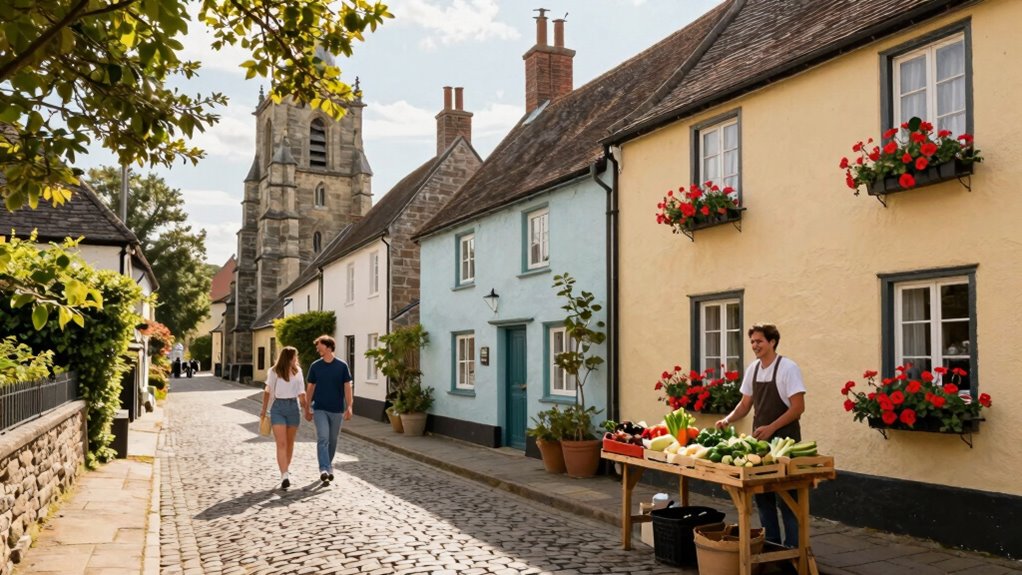
Ever wondered how to bring a village scene to life in a photograph? Capturing human elements adds warmth and authenticity, making small towns feel inviting. Including locals engaging in daily activities or sharing a friendly smile highlights the village’s hospitality and genuine charm.
Some ways to do this include photographing interactions with friendly B&B hosts in Dingle, Ireland, to showcase local warmth. You can also capture candid moments along cobbled streets in Cadolzburg, Germany, near historic sites. Documenting hikers or skiers in Zakopane, Poland, helps reflect seasonal mountain life.
These scenes emphasize the streetscape’s character, showing life beyond buildings. Authentic human moments create a connection, making viewers feel part of the village’s story. This is an essential ingredient for memorable travel photography.