As an Amazon Associate, this website earns from qualifying purchases.
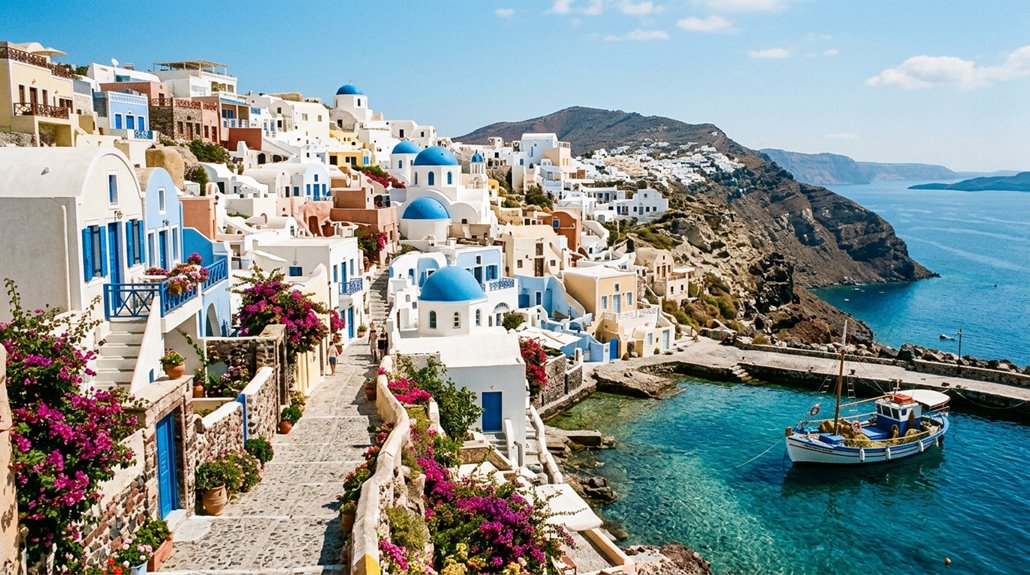
To capture Greece’s stunning islands, focus on sunrise and sunset when the light is warm and soft, highlighting landmarks like the Acropolis or Santorini’s caldera. Use elevated viewpoints or rooftops to get panoramic views of blue-domed churches and white-washed buildings against the sea. Incorporate everyday life scenes, such as bustling markets or quiet villages, to add authenticity. Off-the-beaten-path spots reveal hidden gems. With these ideas, you’ll strike the perfect balance between iconic scenery and local charm—keep exploring to discover even more!
1. Capture Greece’s Iconic Landmarks at Sunrise and Sunset
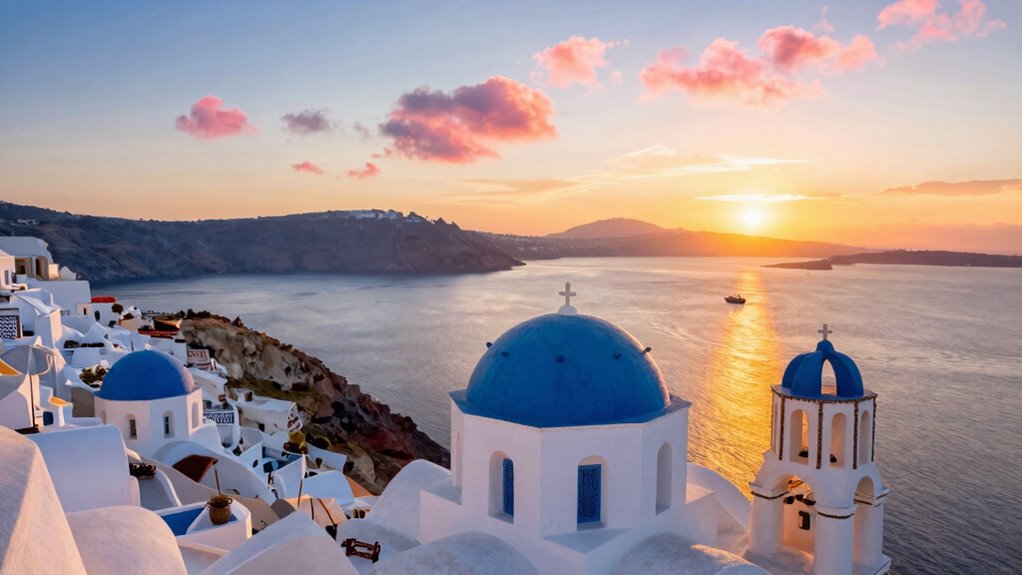
Have you ever wondered when is the best time to photograph Greece’s most famous landmarks? Sunrise photography offers a magical chance to capture sites like the Acropolis with soft, gentle light that highlights its ancient beauty. Early mornings are ideal for visiting the Acropolis or other popular spots, as crowds are smaller and the sky is often clear, creating perfect conditions for crisp, detailed shots.
In Santorini, the sunset transforms the caldera into a canvas of warm oranges and pinks, making it a favorite for sunset photography. To make the most of these moments, use elevated viewpoints or rooftops to frame the landmarks against the sky and emphasize their silhouettes. Timing and careful framing turn these iconic views into breathtaking images that showcase Greece’s timeless charm.
2. Use Local Perspectives to Showcase Authentic Greek Life
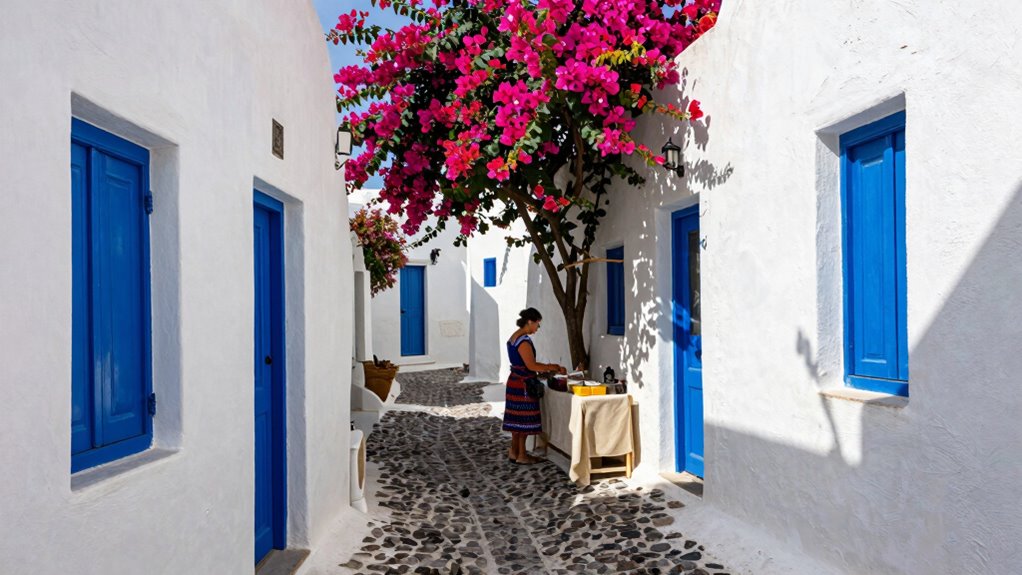
What makes a photograph truly feel authentic? It captures authentic moments rooted in real life. For Greek photography, this means focusing on street life—locals chatting at markets, farmers tending olive groves, fish vendors at ports. Candid shots of everyday routines reveal the charm and energy of local culture.
Rooftop perspectives offer a fresh view, showing how residents experience their city from above—whether at a café or balcony. To illustrate this, consider the following:
| Scene Type | Setting | Focus Point |
|---|---|---|
| Street life | Winding Athens streets | Locals mingling |
| Authentic moments | Café terraces, street corners | Gossips, hustlers |
| Elevated viewpoints | Rooftop cafes, terraces | Cityscape, daily life |
Using these angles, a photographer can tell compelling stories that go beyond iconic landmarks, revealing the true Greek spirit.
3. Explore Greece’s Dramatic Coastal and Island Landscapes
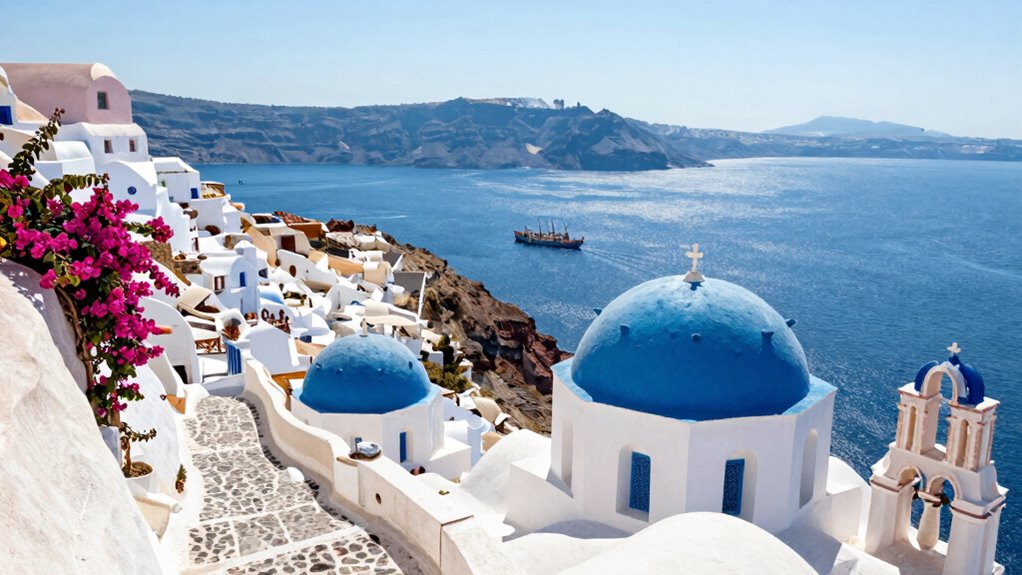
Greece’s coastlines and islands present some of the most breathtaking scenes for photography, with their striking contrasts and natural beauty. Santorini’s caldera and cliffside villages like Oia and Fira showcase whitewashed buildings with blue-domed roofs nestled against deep-blue waters, creating iconic photo opportunities. The best light for capturing these coastal landscapes is during golden hour at sunset, when warm hues highlight the caldera’s dramatic cliffs and cast long shadows.
Mykonos offers windmills perched on hills overlooking the sea, symbolizing its rich agricultural past. The rugged shoreline and quaint villages add charm. The Aegean coastline features white walls, blue accents, and sea cliffs with crashing waves below, providing perfect framing for landscape shots. These diverse coastal scenes invite photographers to explore elevated viewpoints and shoreline vantage points for stunning captures.
4. Photograph Greece’s Historic Ruins With Context and Detail
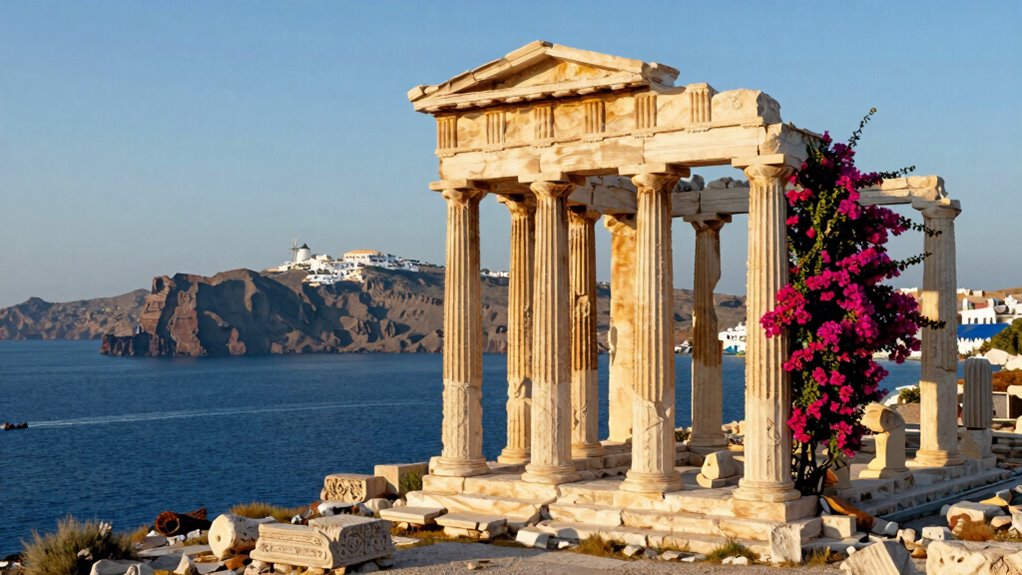
When capturing Greece’s historic ruins on camera, one might wonder how to best showcase their ancient grandeur while providing enough context to tell a story. The Acropolis in Athens, with the Parthenon finished in 432 BC and dedicated to Athena, stands high above the city, symbolizing Greece’s rich history. Similarly, Delphi’s Temple of Apollo, along with its amphitheater and stadium, reveals the significance of the Delphic oracle.
To add depth, include nearby ruins or artifacts, like the stone arches or theater remnants, which help viewers understand their cultural importance.
| Location | Key Features |
|---|---|
| Acropolis | Parthenon, ancient temples, panoramic city view |
| Delphi | Temple of Apollo, oracle site, amphitheater |
| Pnyx Hill | Ruins of ancient gatherings |
| Knossos | Minoan palace, frescoes |
| Cape Sounion | Poseidon temple, sea views |
5. Capture the Charm of Traditional Greek Villages
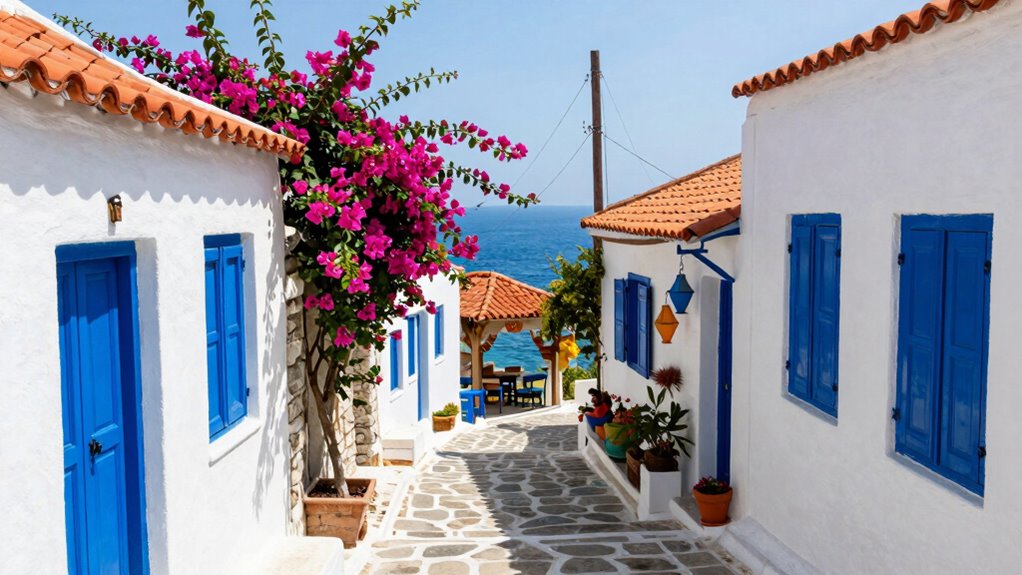
Have you ever wondered how to truly capture the enchanting charm of traditional Greek villages? The Greece aesthetic shines through narrow, winding alleys lined with whitewashed buildings and blue-domed accents, perfect for eye-catching photo opportunities. These villages often feature atmospheric squares with cozy cafes, handmade crafts, and locals sharing everyday moments—ideal for conveying authentic village life.
Hilltop or mountain villages provide panoramic views of terraced houses, olive groves, and church bell towers set against scenic backdrops. Exploring offbeat alleys reveals hidden gems like artisan workshops and small shops, adding depth to your shots. Early morning or golden hour lighting enhances the warm tones of plaster walls and cobblestones, creating soft shadows and reducing crowds, making your photos even more inviting.
6. Incorporate Greek Food and Markets Into Your Shots
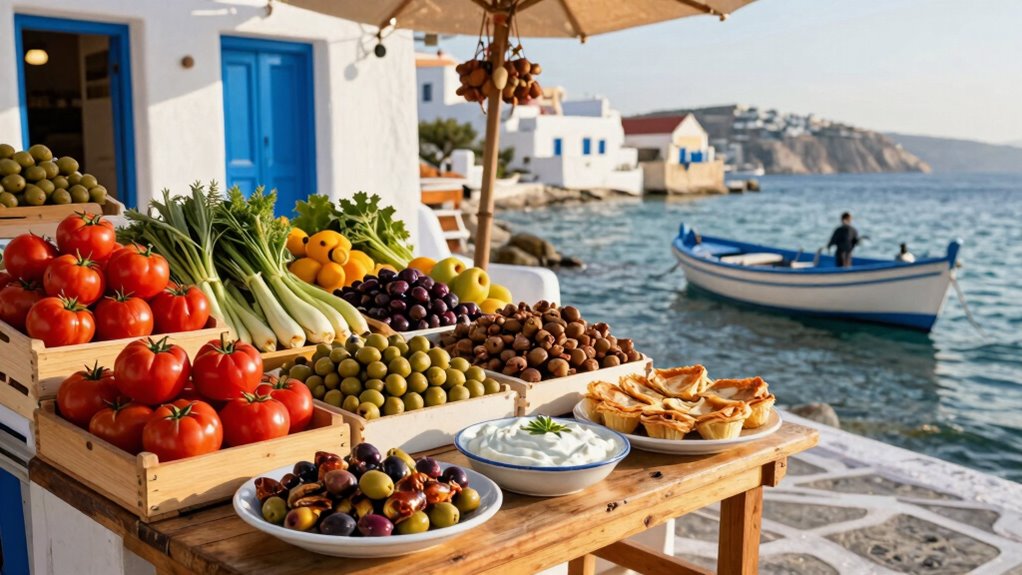
Ever wondered how to make your travel photos pop with authentic Greek flavor? Incorporating Greek food and markets adds a vibrant touch to any Greece vacation, showcasing the country’s rich cuisine and lively atmosphere. Capture colorful seafood stalls, fresh fruit, and traditional meze on weathered tables for a true market-to-table story.
Close-ups of olives, cheese, and olive oil highlight local ingredients that define Greek meals. Candid shots of locals preparing and sharing dishes bring warmth and authenticity to your photos. These lively scenes, often set against beautiful places to travel, reveal the everyday rituals that make Greece special.
7. Seek Elevated Viewpoints for Panoramic Island Shots
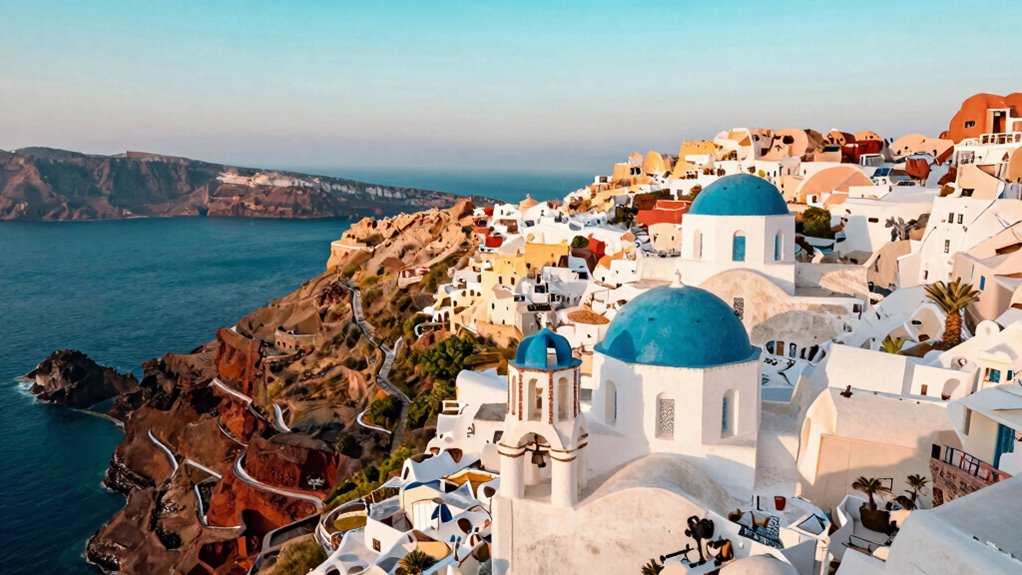
Seeking elevated viewpoints for panoramic island shots
Capturing stunning panoramic shots of Greece’s islands often means seeking out those special vantage points that offer a sweeping view of the landscape below. Elevated viewpoints—like rooftops, hills, or clifftops—are perfect for capturing the islands’ natural beauty, such as Santorini’s caldera or Mykonos’s windmills. High spots help frame iconic silhouettes against the sea, creating dramatic contrasts that make photos stand out.
Combining these elevated perspectives with the warm glow of sunrise or sunset enhances the contrast between white buildings and deep blue waters. Look for vantage points near landmarks like lighthouses or hilltop cafes, which often overlook harbors or coastlines. Planning visits early or late in the day helps avoid crowds and results in clearer, more vibrant images of Greece’s breathtaking islands.
8. Capture Greece’s Unique Architectural Details and Textures
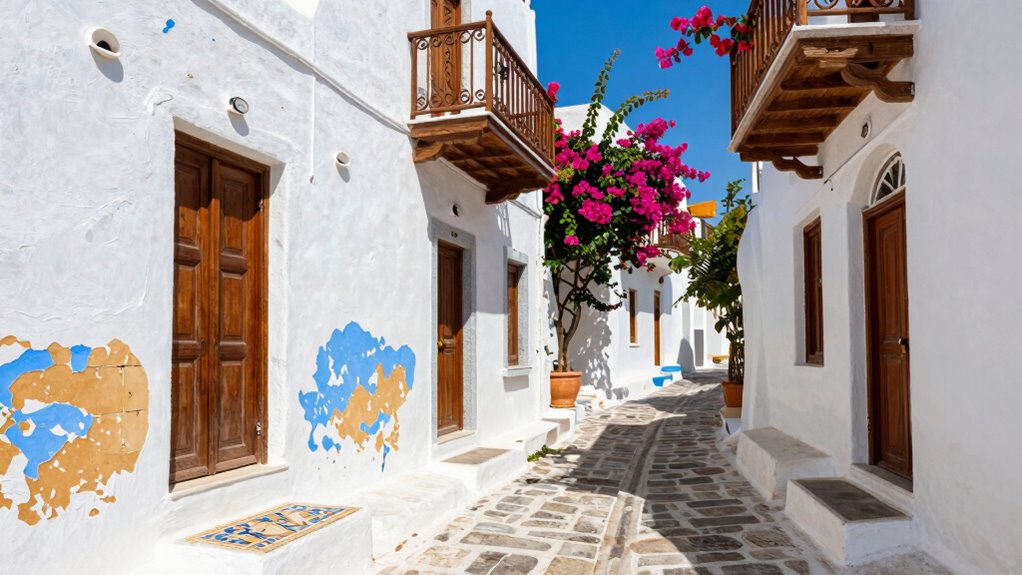
What makes Greece’s architecture so captivating in photographs? It’s the mix of ancient and modern details that creates visual magic. Iconic whitewashed buildings with blue domes, especially in Santorini and Mykonos, stand out against the deep-blue sea, offering stunning contrasts. In historic sites like the Parthenon, capturing carved stone columns and intricate friezes reveals classical craftsmanship.
Towns like Rethymnon and Corfu display Venetian and Ottoman influences, with stucco facades, arches, and colorful courtyards adding textured layers to photos. Close-up shots of doors, shutters, and cobblestone streets show weathered surfaces and patinas that tell stories of age. Shooting during soft morning or golden-hour light enhances shadows and three-dimensional details, bringing out the rich textures across sites like Meteora, Knossos, and Naxos.
9. Emphasize Light and Atmosphere in Natural Settings
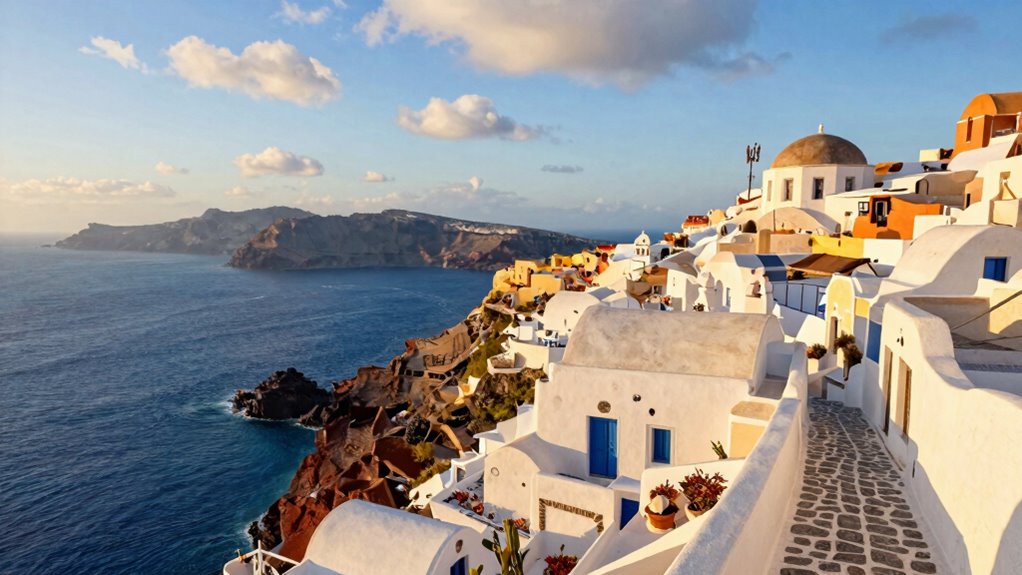
Have you ever noticed how the quality of natural light can transform a landscape into something truly magical? Early mornings at sunrise and during the golden hour, shortly after sunrise or before sunset, offer soft, warm light that beautifully highlights coastlines, white-washed buildings, and iconic blue domes.
Using elevated spots like rooftops, hills, or lighthouses can create striking silhouettes of sea cliffs, monasteries, or harbors against vivid skies. Framing scenes with natural contrasts—such as the blue sea against white architecture or sunset reflections on calm waters—adds mood and depth.
Weather also influences atmosphere. Mist over olive groves at dawn creates a dreamy feel, while bright midday light intensifies colors. Including dynamic elements like waves or passing boats can bring a lively sense of place to photos.
10. Plan for Off-the-Beaten-Path Locations and Hidden Gems
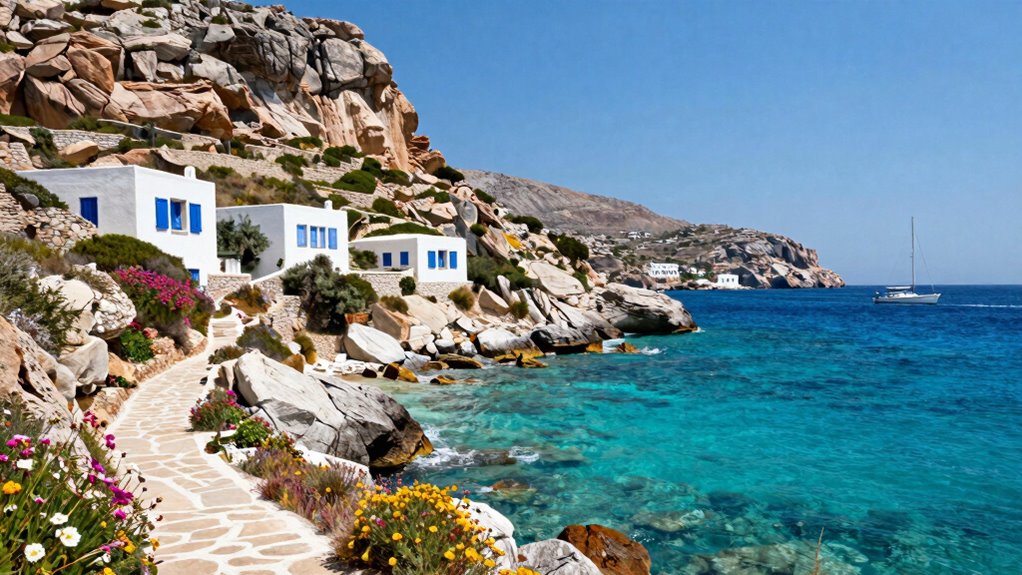
Many travelers overlook Greece’s lesser-known corners, yet these hidden gems often reveal the most authentic stories of local life and landscape. Exploring offbeat alleys, tucked-away courtyards, and small village squares can bring a fresh perspective to familiar scenery. For the best photos, visit these sites during sunrise or golden hour, when soft light creates dramatic silhouettes and fewer crowds. Look for rooftop viewpoints, elevated hills, or winding roads that frame sweeping panoramas contrasting ancient ruins with modern life.
Engaging with locals offers unique photo opportunities and firsthand stories about crafts, history, and daily routines. To truly capture Greece’s essence beyond the tourist spots, document everyday scenes such as busy markets, quiet olive groves, and charming rural landscapes. These scenes reveal a genuine, timeless Greece and help tell a richer story of the country’s culture and environment.