As an Amazon Associate, this website earns from qualifying purchases.
The Edo period still influences Japan today through fashion, festivals, and food. Traditional clothing like kimono and obi cords reflect Edo’s principles of subtle elegance and craftsmanship. Festivals such as Gion Parade carry customs from the past, inspiring modern city celebrations. Edo cuisine’s focus on seasonality, presentation, and refined dishes shapes today’s washoku. Arts like kabuki and ukiyo-e influence theater and design, while Edo’s social norms and hierarchy still guide modern behavior. Exploring these connections reveals more about Japan’s rich cultural roots.
1. How Edo Period Fashion Continues to Influence Modern Japanese Style
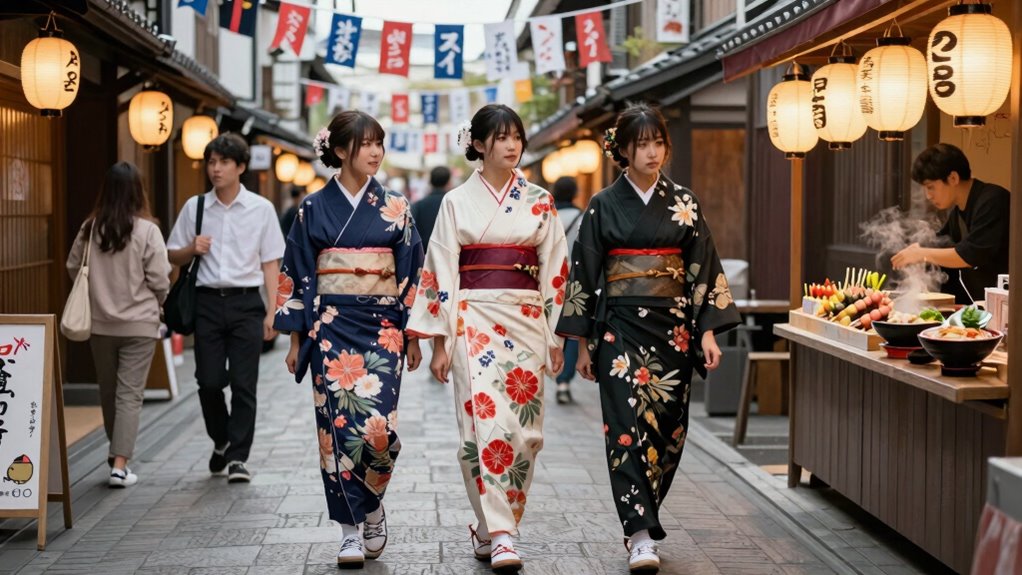
Ever wonder how a style from centuries ago still influences what people wear in Japan today? The answer lies partly in the Edo period’s fashion, especially the concept of iki. Iki embodies a sense of understated elegance and authenticity, guiding modern choices in Tokyo’s style. Traditional garments like kimono still reflect iki’s principles, with subtle patterns and refined fabrics that emphasize simplicity and grace. Intricate kumihimo braiding, used to craft obi cords, showcases craftsmanship that remains essential in contemporary ensembles.
These details—hidden patterns in kimono and carefully woven obi—connect past and present. Today’s designers draw inspiration from these traditional techniques, blending Edo motifs with modern media, revitalizing the timeless appeal of understated luxury and functional style.
2. Celebrating Tradition: Edo Era Festivals That Still Shape Japanese Festivals Today
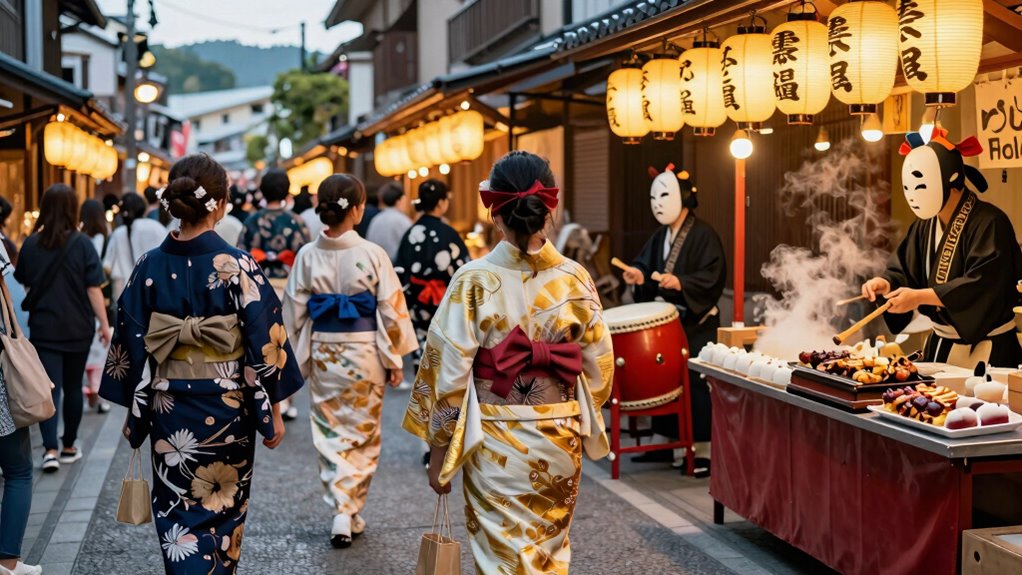
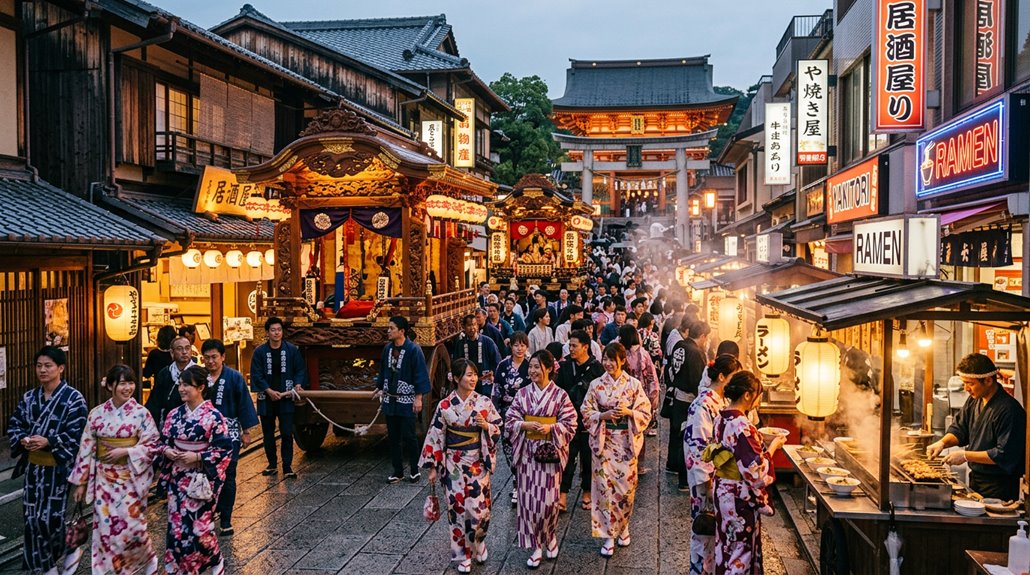
Have you ever wondered how the lively festivals in modern Japan still carry echoes of the Edo period? Edo period festivals, like Gion and Tōrinkai, created strong community bonds and filled the festival calendar with seasonal rites that remain today. Mikoshi parades, where portable shrines are carried through streets, set the template for modern festival floats and citywide celebrations.
The ukiyo-e influence can be seen in festival costumes and visual motifs, blending elegance with tradition. These festivals also fostered vibrant food stalls and vendor networks, laying the groundwork for today’s communal eating traditions during celebrations. Additionally, urban planning from the sankin-kōtai era helped determine festival locations, ensuring that city-centered festivities continue to thrive, honoring Edo’s rich cultural legacy.
3. The Roots of Japanese Cuisine: How Edo Period Food Customs Persist in Modern Japan
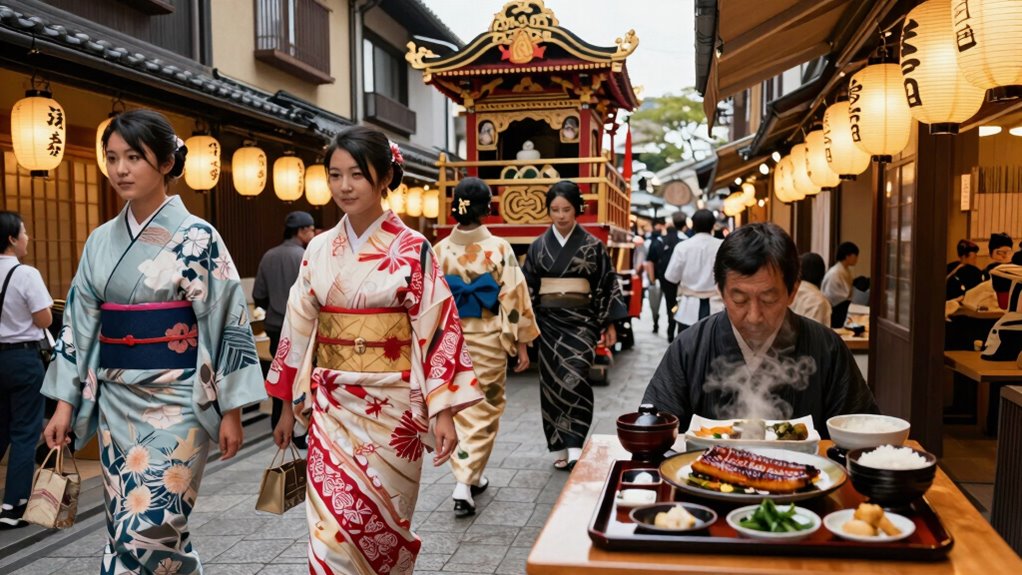
The vibrant food customs of the Edo period continue to leave a lasting mark on modern Japanese cuisine, shaping both the way meals are prepared and enjoyed today. Edo-period cuisine introduced organized, multi-course dining and refined presentation styles, influencing cities like Osaka and Kyoto. The four-class system and sumptuary laws guided food choices, reinforcing class-based dietary norms that still echo in today’s washoku, or traditional Japanese cuisine.
Merchants and urban consumers helped develop regional dishes and street foods, adding variety to modern menus. Basic techniques like dashi, a staple stock, and plant-based cooking evolved into the rich umami culture central to Japanese flavors. This focus on seasonality, elegance, and presentation remains a defining feature of modern Japanese dining.
| Class System | Food Influence |
|---|---|
| Shi-nō-kō-shō | Dietary norms and food choices |
| Merchants | Regional dishes and street foods |
| Dashi & umami | Foundations of washoku |
| Seasonality | Aesthetic and culinary elegance |
4. From Kabuki to Modern Theater: The Legacy of Edo Cultural Arts
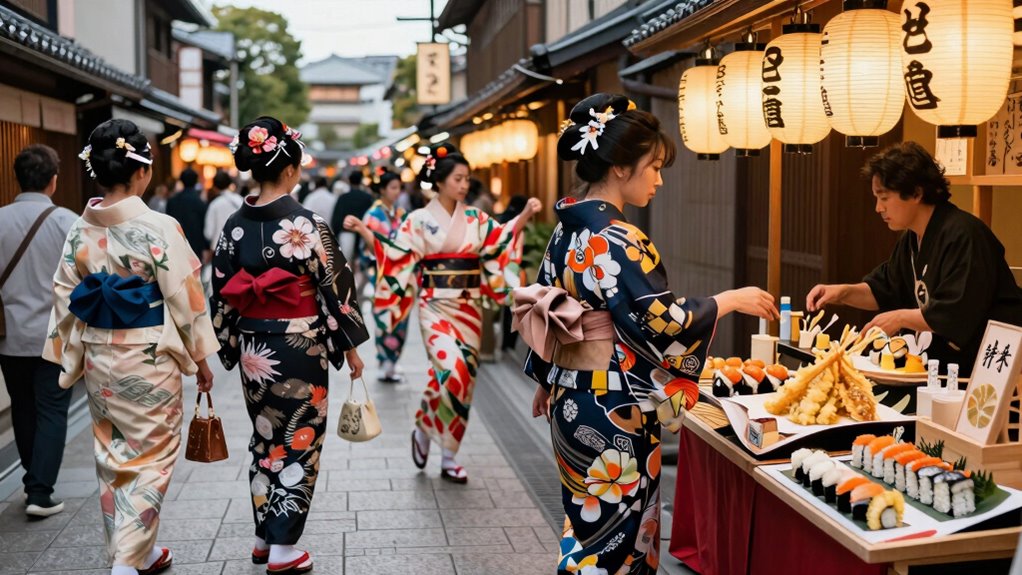
How did the lively performances of Edo’s theater culture influence modern Japanese entertainment? Kabuki, with its vibrant costumes and stylized acting, set a foundation for today’s stage shows, blending tradition with innovation. The ukiyo-e prints, famous for their detailed images of actors and scenes, helped spread kabuki’s appeal and influenced visual aesthetics in modern theater design.
Edo’s theater districts, bustling with merchant patronage, fostered a democratized entertainment scene that continues to thrive. Fans still imitate iconic gestures, and stage conventions shape contemporary performances. Today’s theater industries trace their roots to Edo’s professional networks, lively, creative, and deeply rooted in tradition. These influences evoke powerful emotions, reminding us how Edo’s cultural arts continue to inspire and shape modern Japan’s entertainment landscape.
5. The Edo-Inspired Design Aesthetic in Contemporary Japanese Architecture and Interior Decor
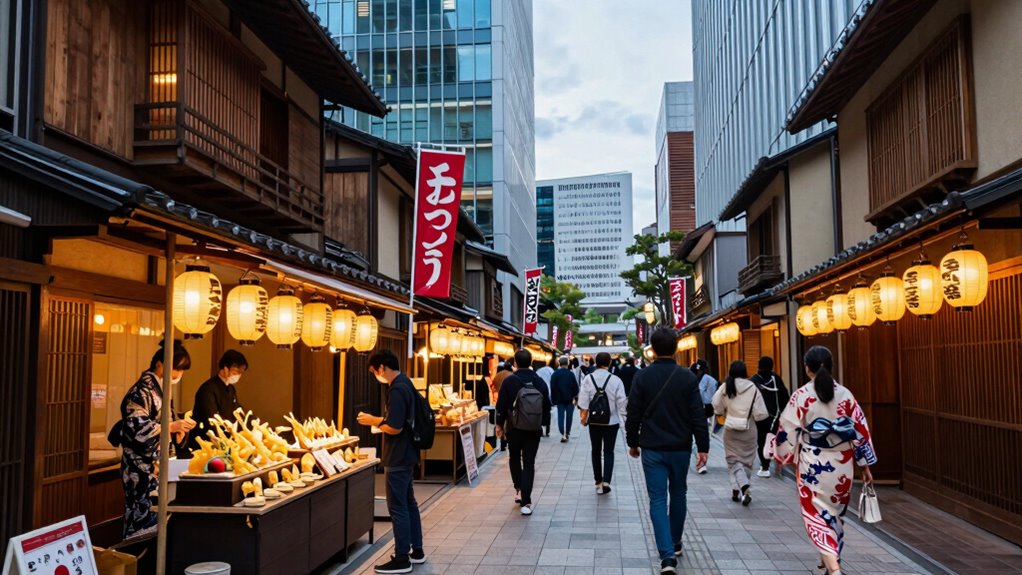
What makes contemporary Japanese architecture and interior design feel so uniquely rooted in Edo traditions is the subtle elegance of iki—refined simplicity—and the way natural materials like wood and paper emphasize authenticity. Modern spaces often incorporate kumihimo-inspired textile motifs and kimono-inspired color palettes, creating a sense of harmony and understated beauty.
Architecturally, buildings echo Edo-era layouts with narrow facades, machiya-style timber framing, and intimate courtyards, evoking the historic merchant homes. This blend of old and new enriches urban environments, emphasizing layered sightlines and public spaces reminiscent of Edo city planning. Such designs bridge past and present, allowing people to experience Edo’s timeless aesthetic in everyday life.
| Edo-Inspired Elements | Modern Design Features |
|---|---|
| Kumihimo motifs | Textile accents in decor |
| Machiya-style facades | Timber framing and courtyards |
| Narrow facades | Compact, grid-like layouts |
| Ukiyo-e graphics | Wallpaper and surface patterns |
6. Lessons From the Edo Period: How Japan’s Emphasis on Hierarchy and Rituals Still Impact Social Norms Today
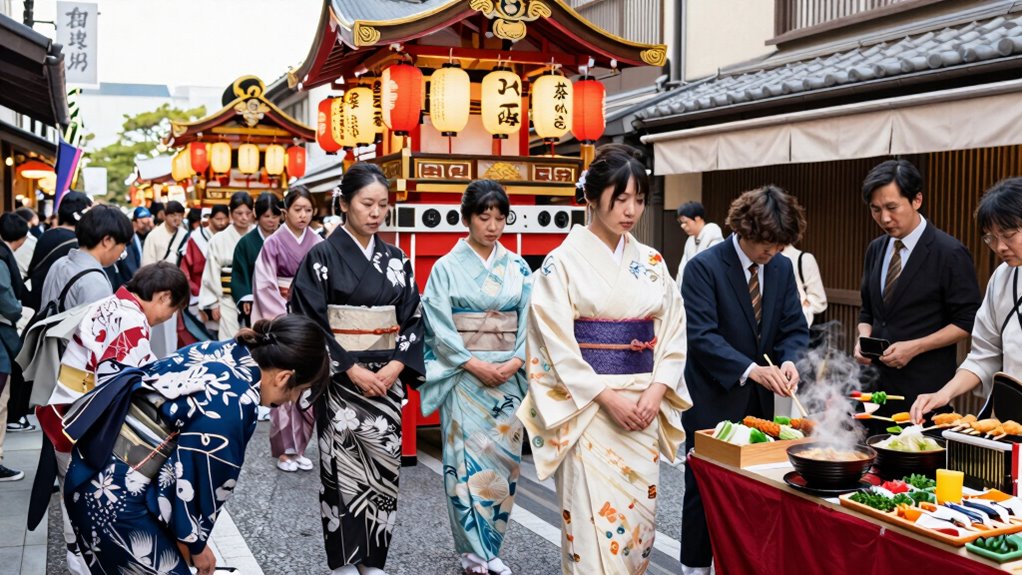
Have you ever wondered why Japanese society often feels so orderly and respectful? The answer lies in the deep roots of the Edo period’s shinōkōshō hierarchy, which divided society into four classes: samurai, farmers, artisans, and merchants, setting strict roles and expectations. Rituals, like those in sankin-kōtai, reinforced loyalty and responsible leadership, shaping today’s social norms.
The samurai’s duties as administrators emphasized discipline and public service, influencing modern governance. Additionally, sumptuary laws created a distinct aesthetic, promoting modesty and refined fashion.
- Respect for authority and elders
- Strict adherence to social roles
- Emphasis on group harmony
- Subtle, elegant fashion choices
These elements continue to influence Japan’s cultural landscape, fostering a society that values order and tradition.
\n\n