As an Amazon Associate, this website earns from qualifying purchases.
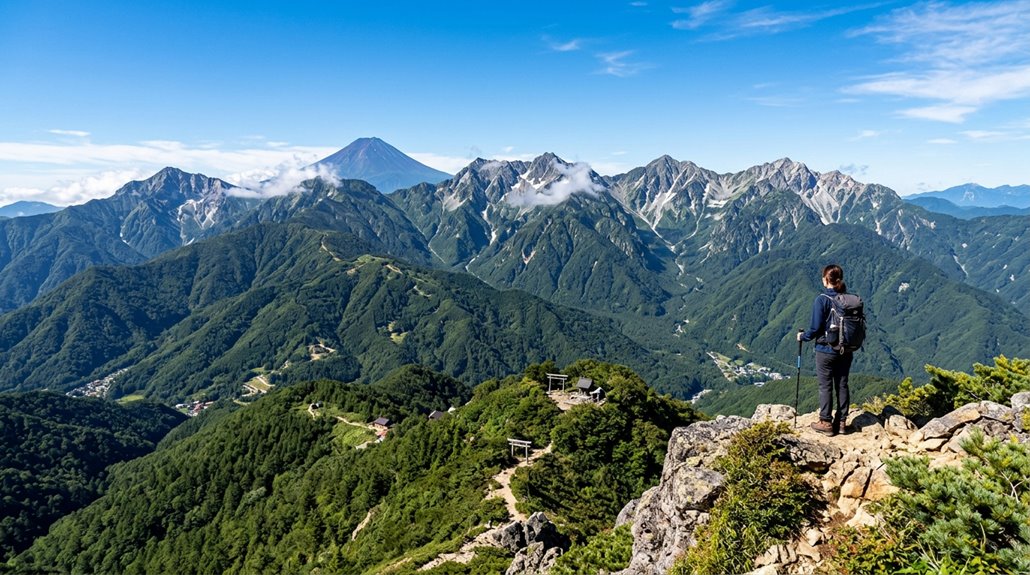
Japan offers many mountains perfect for epic views and cultural experiences. Iconic peaks like Mount Fuji, known as Japan’s sacred volcano, draw climbers and pilgrims alike. The Japan Alps in Honshu provide stunning high-altitude hikes, while-sacred routes like Kumano Kodo connect outdoor adventure with spiritual traditions. Smooth trails near Tokyo and Kyoto make for easy day trips. From snow-capped winter climbs to vibrant autumn foliage, exploring these mountains reveals Japan’s breathtaking scenery and deep cultural roots—keep exploring to discover more hidden gems.
1. Why Japan’s Mountains Offer Unmatched Scenic Beauty and Cultural Richness
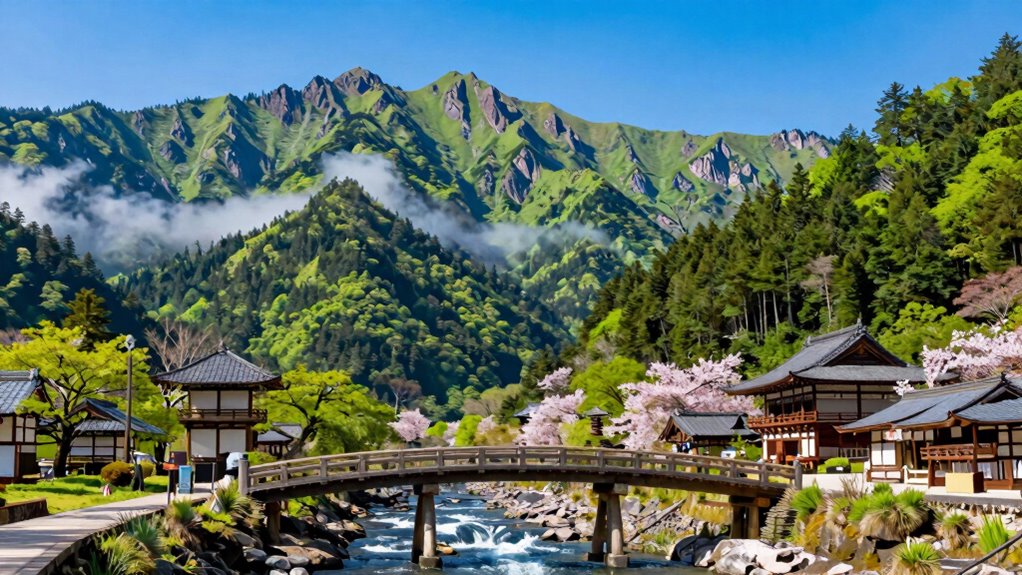
What makes Japan’s mountains stand out among the world’s most breathtaking landscapes? The answer lies in their unique combination of natural beauty and cultural significance. The Japan Alps, stretching across Honshu, feature peaks soaring above 3,000 meters, offering dramatic scenery perfect for hikers seeking adventure.
Mount Fuji, Japan’s iconic and sacred volcano, is often called the “Matterhorn of Japan,” drawing visitors with its symmetrical elegance. These mountains are more than just stunning views; they are sacred landscapes where the Japanese view nature as spiritually meaningful, with kami (spirits) believed to inhabit natural features.
Pilgrimage routes like Kumano Kodo connect outdoor exploration with spiritual practice. Together, these elements create a landscape that’s not only visually spectacular but also deeply woven into Japan’s cultural fabric.
2. Top Criteria for Choosing the Best Mountains to Hike in Japan
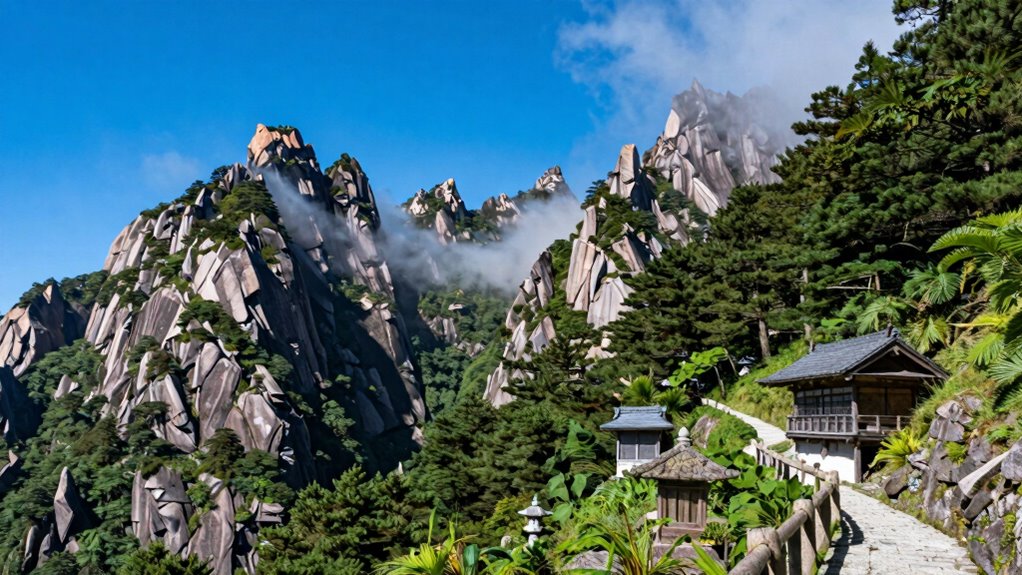
Choosing the best mountains to hike in Japan depends on a mix of practical and personal factors that help tailor the experience to each adventurer. Key hiking criteria include elevation, difficulty, and seasonal timing, which influence both challenge and scenery. Accessibility via public transport is essential—many routes in Tokyo, Ibaraki, and Nagano are reachable by train, bus, or ropeway, making hikes more convenient.
Regional variety also matters; the Alps offer multi-day traverses, while remote islands like Yakushima feature unique ecosystems. Peak highlights, such as Mt. Yari or Mt. Fuji, motivate climbers. To help decide, consider this table:
| Criteria | Examples |
|---|---|
| Mountain accessibility | Ropeways, train access, bus routes |
| Seasonal timing | Summer for Fuji, autumn for foliage, winter clarity |
| Difficulty | Easy walks, multi-day treks, rope-assisted routes |
| Regional variety | Alps, islands, remote wilderness |
| Peak highlights | Iconic mountains, cultural symbols |
3. Epic Mountains Near Tokyo, Kyoto, and Osaka for Every Skill Level
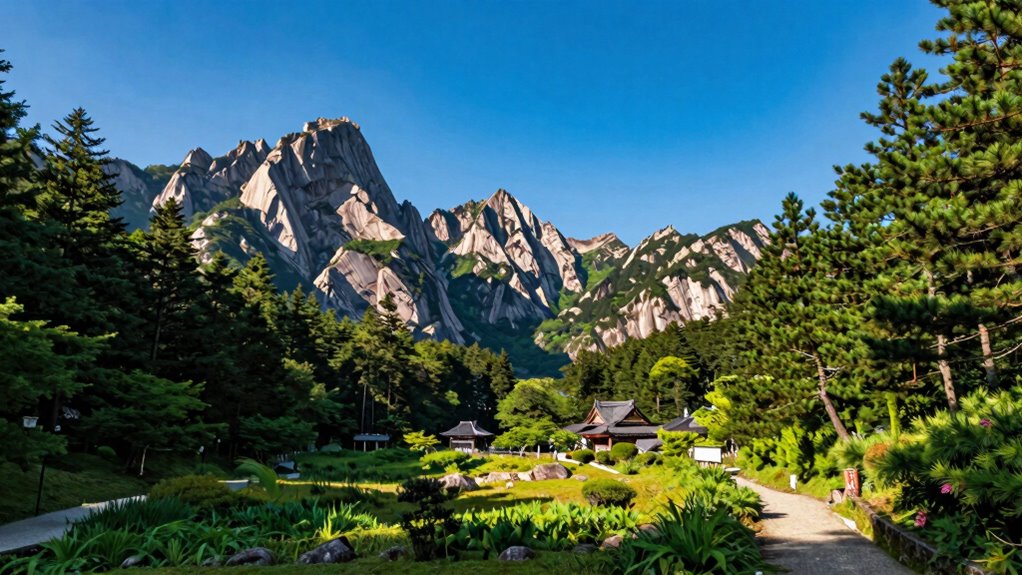
In the bustling regions surrounding Tokyo, Kyoto, and Osaka, there are plenty of mountains that cater to hikers of all skill levels. For beginner-friendly mountain hikes, Mt. Takao near Tokyo offers accessible trails, including paved paths that are perfect for a relaxed day out. From its summit, visitors can enjoy epic views of Mount Fuji on clear days, making it a popular spot for nature photography.
In Kyoto, Fushimi Inari’s iconic vermilion torii trails lead to sacred mountain top views, while Daigoji provides a scenic forest route to its summit viewpoints.
Around Osaka, trails in Minoo Park and Yamanobe-no-michi are excellent for easy hikes, offering a wonderful mix of nature and culture. These mountains ensure everyone can enjoy nature’s beauty, regardless of experience level.
4. Must-Visit Peaks in Hokkaido, Tohoku, and Eastern Japan for Nature and Adventure
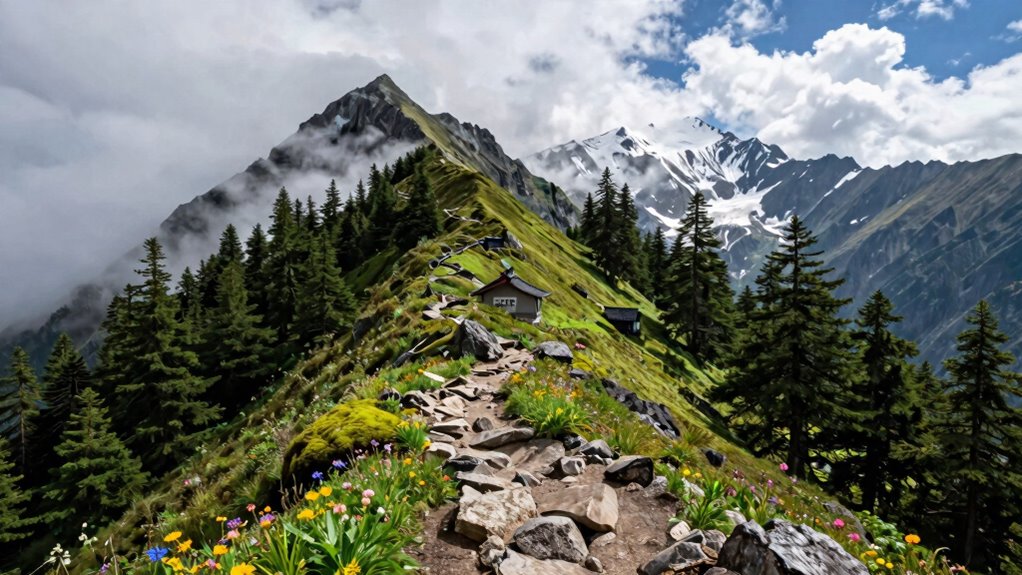
Hokkaido, Tohoku, and Eastern Japan are treasure troves for mountain lovers seeking both stunning scenery and adventure. The Hokkaido mountains, like Daisetsuzan and Shiretoko, offer diverse hikes—from easy lake strolls around Five Lakes to strenuous multi-day treks. Shiretoko, home to dense brown bears, features trails leading to Furepe Waterfall, which is perfect for Japan nature photography.
Meanwhile, Rishiri and Rebun islands showcase coastal and alpine routes, with Rebun famed for its vibrant flora and views of Mount Rishiri. In Tohoku, Mount Hakkoda’s ropeways and summit trails attract explorers, while Towada’s autumn gorge walks enchant visitors. The Michinoku Coastal Trail stretches over 700 kilometers, revealing the region’s natural beauty.
These peaks and trails promise unforgettable adventures for every outdoor enthusiast.
5. Exploring Iconic Sacred Mountains and Pilgrimage Routes in Japan
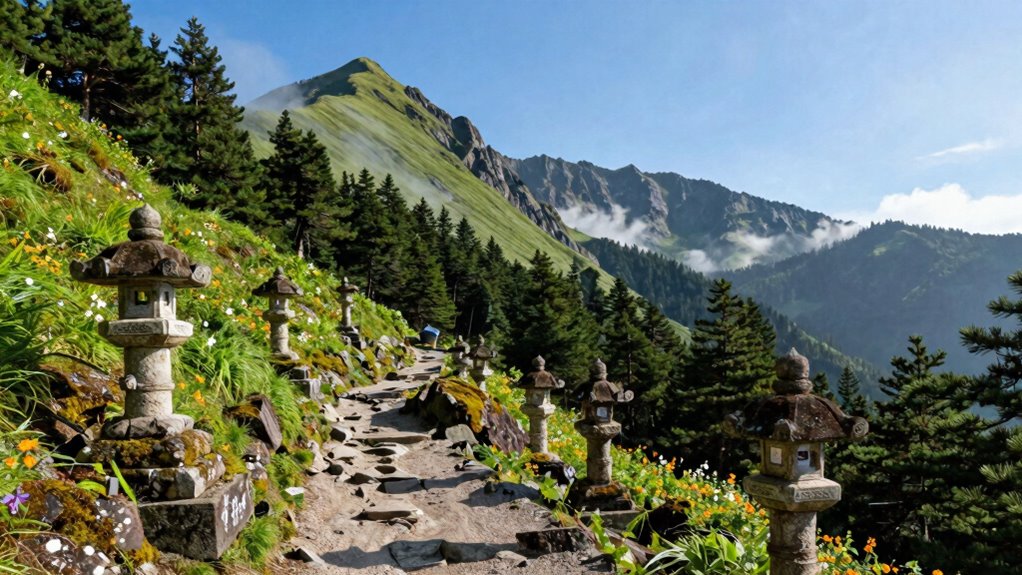
Japan’s sacred mountains and pilgrimage routes hold a special place in the country’s spiritual and cultural landscape, drawing both hikers and those seeking a deeper connection to tradition. Among these, Mount Fuji is perhaps the most famous, with the Yoshida Trail leading climbers to its iconic summit. The Kumano Kodo’s Nakahechi route on the Kii Peninsula connects three grand shrines and is recognized by UNESCO for its cultural significance.
Sacred landscapes in Japan are believed to be inhabited by kami, or spirits, infusing hikes with spiritual meaning. Japan mountains like Mount Oyama, Mount Tsukuba, and Mount Hachimantai offer accessible sacred routes featuring temples and scenic views. These journeys blend nature and spirituality, creating a truly immersive experience in Japan’s rich cultural heart.
6. Tips for Planning Your Japan Mountain Adventure: Seasons, Gear, and Respectful Hiking
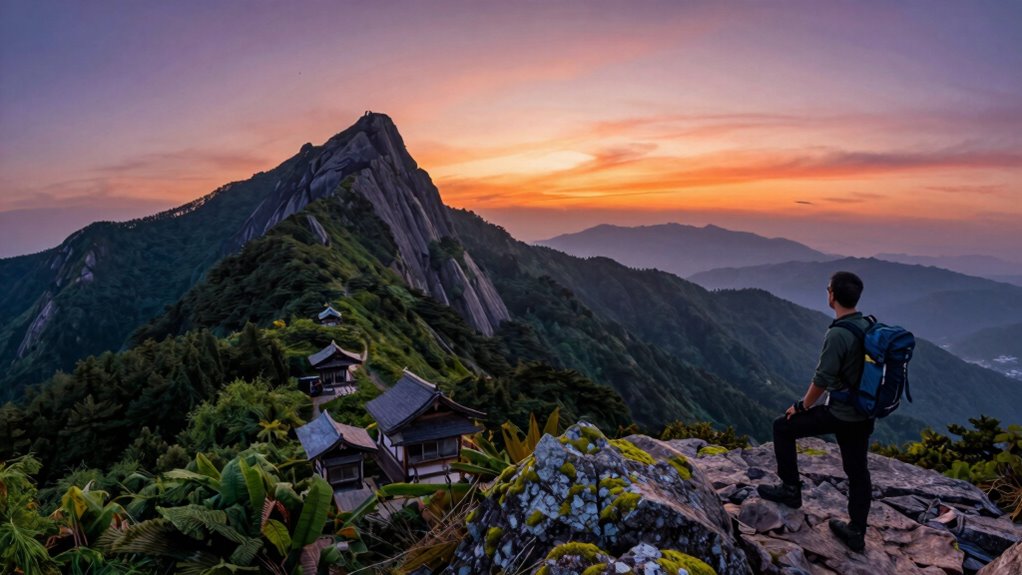
Wondering when to plan a mountain adventure in Japan? Timing is everything. Summer (mid-July to September) is perfect for climbing Mt. Fuji and the high Alps, but autumn’s late September to early November offers stunning foliage. Winter hikes are lower in elevation but require extra gear and caution.
Accessible routes often involve trains, buses, or cable cars, so planning transport is key. Early mornings and weekday hikes help avoid crowds and heat, especially near Tokyo. Weather can change quickly; summer storms and typhoons demand flexible plans.
Here’s a quick guide:
| Season | Best Activities | Gear Tips |
|---|---|---|
| Summer | Mt. Fuji, high Alps | Waterproof clothing, sturdy shoes |
| Autumn | Foliage hikes, scenic views | Layers, rain gear |
| Winter | Lower elevation, snow hikes | Warm layers, traction devices |
| Spring | Cherry blossoms, gentle climbs | Light gear, comfortable shoes |
7. How to Maximize Your Cultural Experience on Japan’s Most Scenic Mountain Trails
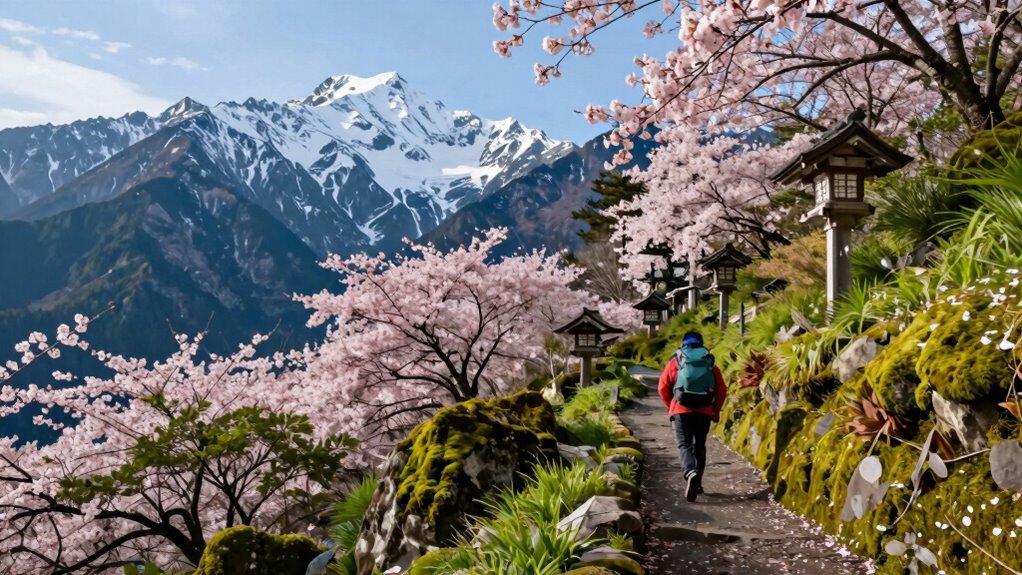
Many of Japan’s mountain trails offer more than just breathtaking scenery, they are gateways to rich cultural experiences. Trails often pass historic sites such as temples, shrines, and legendary routes like Kumano Kodo or Shio-no-Michi, allowing hikers to connect deeply with Japan’s spiritual heritage. Visiting sacred spots at sunrise on Mt. Fuji’s Yoshida Trail or exploring temple towns like Kurama and Koyasan enhances this connection.
The tozan philosophy encourages respectful immersion in nature, emphasizing reverence and mindfulness. Seasonal changes, like autumn leaves framing temples or spring blossoms near shrines, add to the atmosphere. Planning activities around pilgrimage networks, traditional huts, or ropeway routes helps travelers engage authentically with local communities, making each hike both scenic and culturally meaningful.