As an Amazon Associate, this website earns from qualifying purchases.
A 3-day Rome itinerary offers a perfect balance between iconic sights and relaxed exploration. It begins with ancient landmarks like the Colosseum and Roman Forum, ensuring early visits to beat crowds. The second day focuses on lively squares such as the Pantheon, Trevi Fountain, and narrow streets, always leaving room to linger and enjoy local cafes. Day three highlights the Vatican, with pre-booked tickets and hidden gems like Aqueduct Park. For smooth and enjoyable experiences, using strategic tips, planning ahead, and emphasizing walking help make the trip both memorable and stress-free. Continuing further reveals even more ways to make the most of this enchanting city.
1. Why a 3-Day Rome Itinerary Balances Must-See Sights and Relaxation
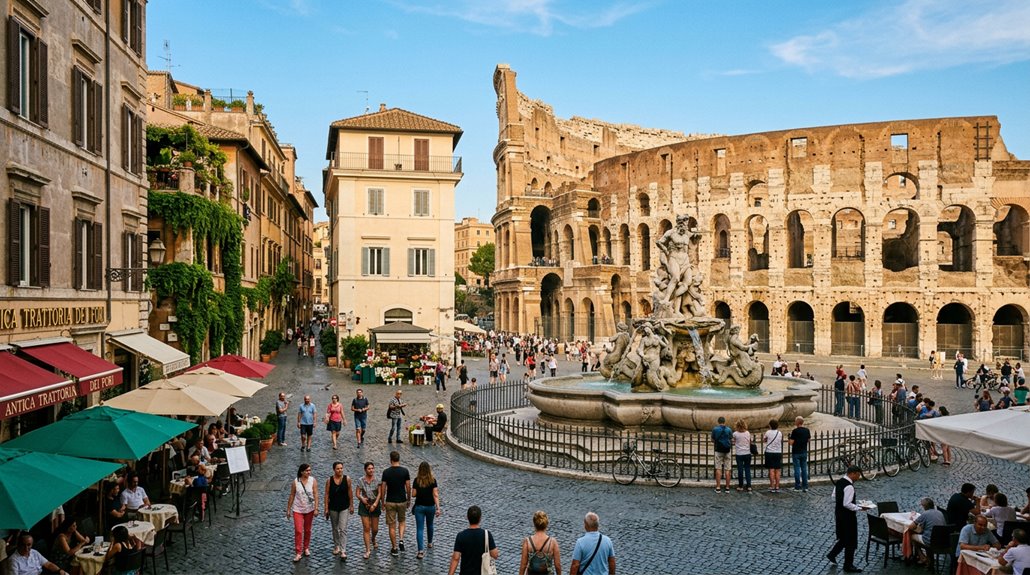
Why is a 3-day Rome itinerary considered the perfect balance between seeing iconic sights and enjoying some leisure time? The answer lies in the thoughtful pacing that allows visitors to experience Rome’s treasures without feeling rushed or exhausted.
The itinerary blends must-see attractions like the Colosseum and Vatican Museums with ample downtime for wandering, dining, and shopping. Walking is emphasized as the best way to move around, helping travelers maximize their time at each site while soaking in the city’s vibrant streets and neighborhoods.
Planning visits during early hours or off-peak times enhances the experience, especially at crowded spots. By choosing central neighborhoods like Monti or Prati, visitors can keep transit short, making it easier to stick to a relaxed yet efficient schedule that captures the essence of Rome.
2. Planning Your Perfect Rome Trip : Key Tips for Efficient Sightseeing
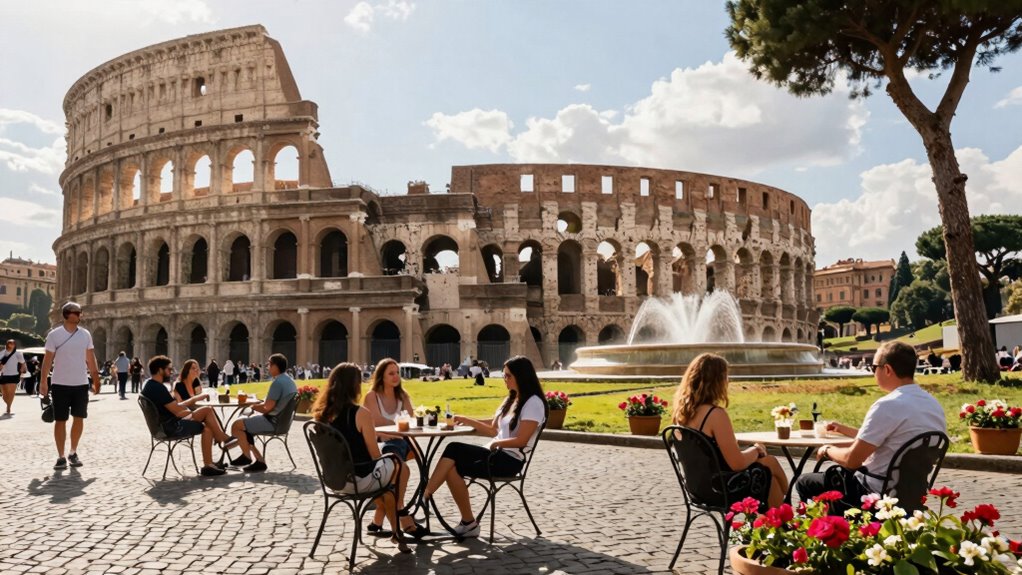
How can travelers make the most of their limited time in Rome while avoiding the chaos that often comes with popular sights? Planning is key. First, prioritize early visits to sites like the Vatican Museums and Trevi Fountain to beat crowds, especially for those sought-after Italy aesthetic photos.
Second, balance major attractions like the Colosseum with hidden gems such as the Appian Way or Aqueduct Park, which provide a more relaxed experience and showcase Rome’s quieter beauty.
Third, use walking as the main way to explore the city’s compact center. Staying in neighborhoods like Monti or Prati helps with this.
For longer distances, public transit, the ATAC network, offers convenience. Effective planning ensures a smooth, enjoyable Italy trip aesthetic, making every moment in Rome efficient and memorable.
3. Navigating Rome : Best Neighborhoods to Stay for a Comfortable Visit
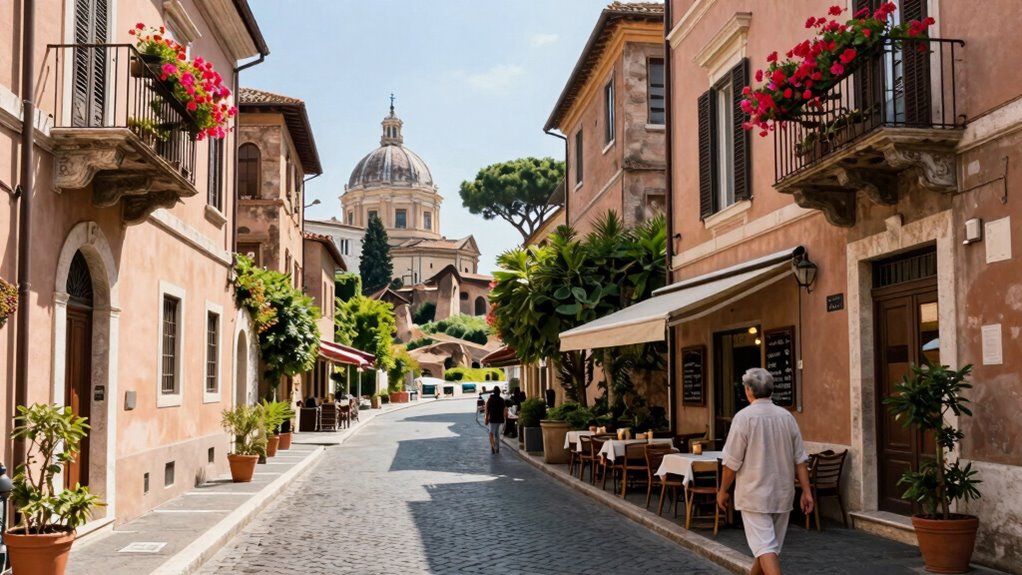
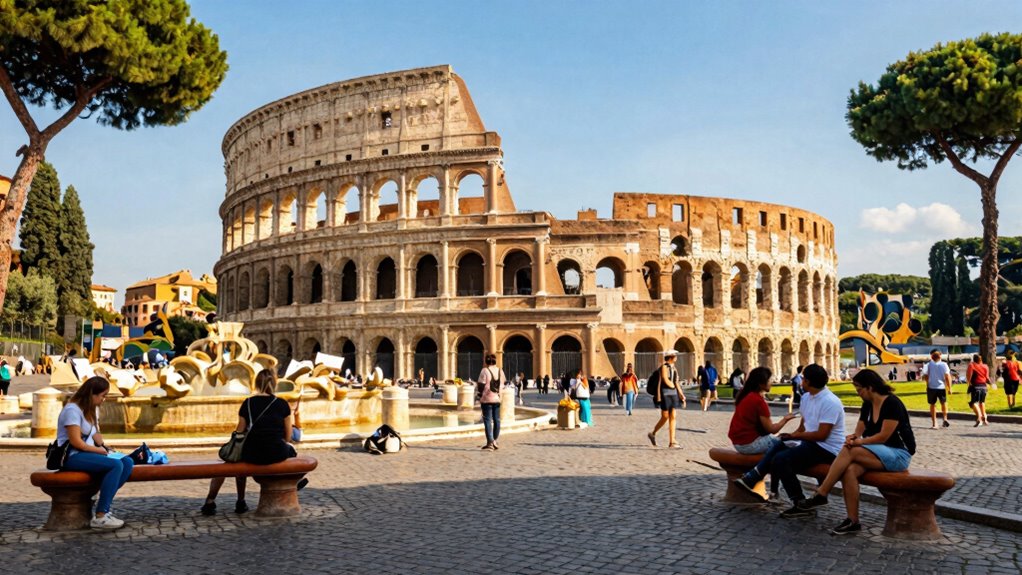
Choosing the right neighborhood to stay in can make a big difference in enjoying Rome at a comfortable pace. Monti is a top pick because it’s close to major sights like the Colosseum and Roman Forum, with easy access to the Cavour Metro station. It offers a range of accommodations, from luxury hotels like H10 Palazzo Galla to budget-friendly options such as Hotel Rafaello and Hotel Canova.
Prati, on the west bank of the Tiber River, is quieter and near Vatican City, making it ideal for those planning to visit the Vatican. Meanwhile, Centro Storico offers that classic Rome vibe, with beautiful piazzas like Piazza Navona and Piazza del Poppolo. However, it tends to be crowded and more expensive.
Each neighborhood provides a practical base depending on sight preferences and budget.
4. Day 1: Exploring Ancient Rome’s Iconic Landmarks
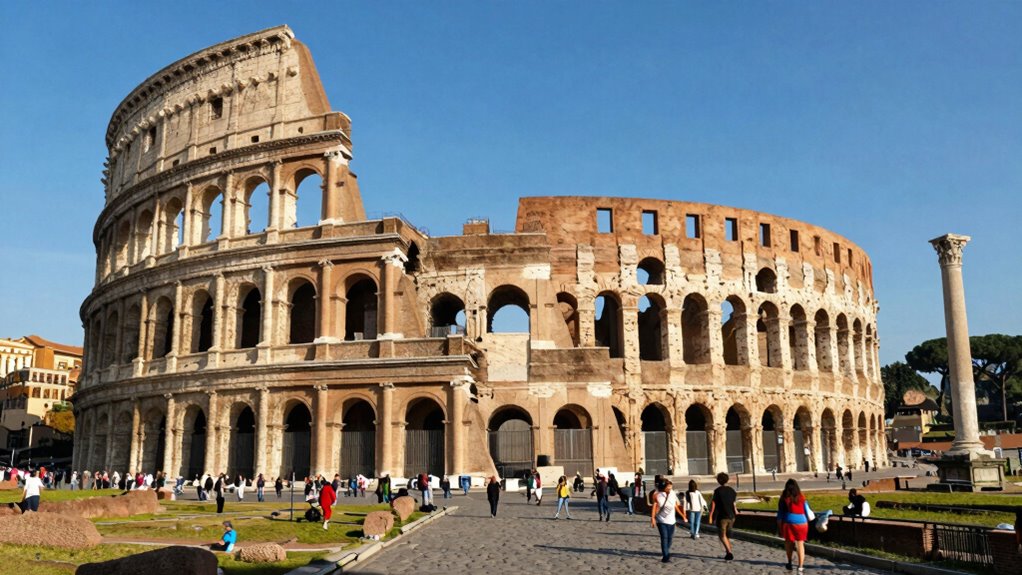
Starting the day early is a smart move when exploring Rome’s most famous ancient sights. By arriving early, visitors can enjoy popular landmarks with fewer crowds and better lighting for photos. Key sites include:
- The Colosseum — booking tickets in advance, especially combined tickets for the Colosseum, Roman Forum, and Palatine Hill, helps skip long lines.
- Roman Forum — a sprawling archaeological site where ancient Romans once gathered, best explored at a relaxed pace.
- Palatine Hill — offering stunning views and a peaceful atmosphere, it’s perfect for wandering and imagining Rome’s origins.
This route peaks early at these busy spots, then eases into lighter visits of nearby piazzas and shops. The plan balances sightseeing with moments to breathe and soak in the historic atmosphere.
5. Day 2: Discovering Rome’s Historic Center and Vibrant Squares
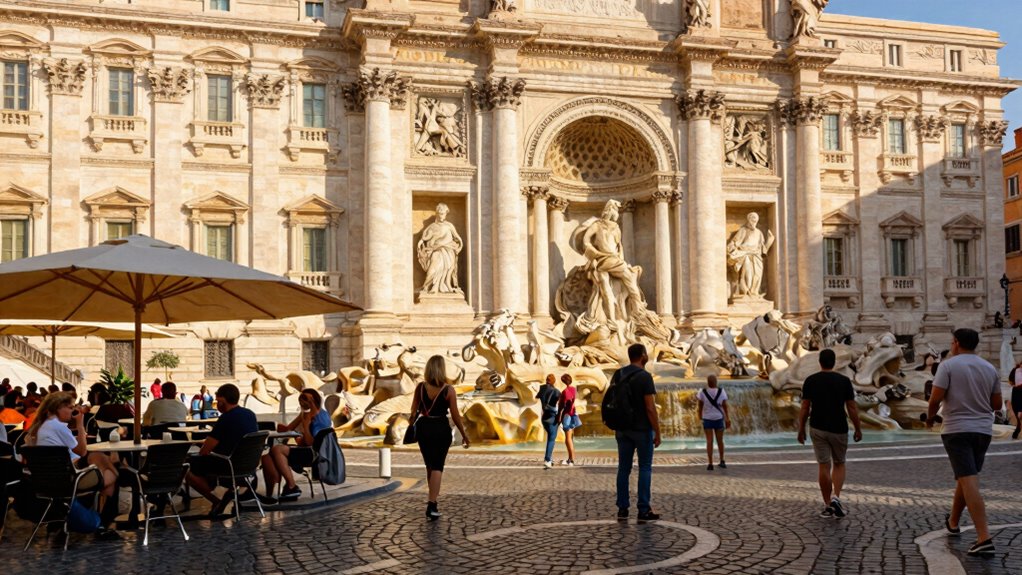
After exploring Rome’s ancient ruins on the first day, attention shifts to the city’s vibrant heart, the historic center filled with lively squares, stunning fountains, and beautiful architecture. This day encourages walkable exploration, allowing visitors to soak in Rome’s lively atmosphere at a relaxed pace. Early mornings are ideal for visiting popular sites like the Pantheon and Trevi Fountain, offering quieter moments before crowds arrive.
The route includes iconic sights such as the Spanish Steps and atmospheric piazzas like Piazza Navona and Piazza del Popolo. These lively squares are perfect for people-watching, enjoying street artists, or grabbing a coffee. Taking a mid-day break helps reset energy levels, making the afternoon perfect for wandering narrow streets or discovering charming cafes, all while capturing Rome’s true vibrancy.
6. Day 3: Visiting the Vatican and Uncovering Hidden Gems
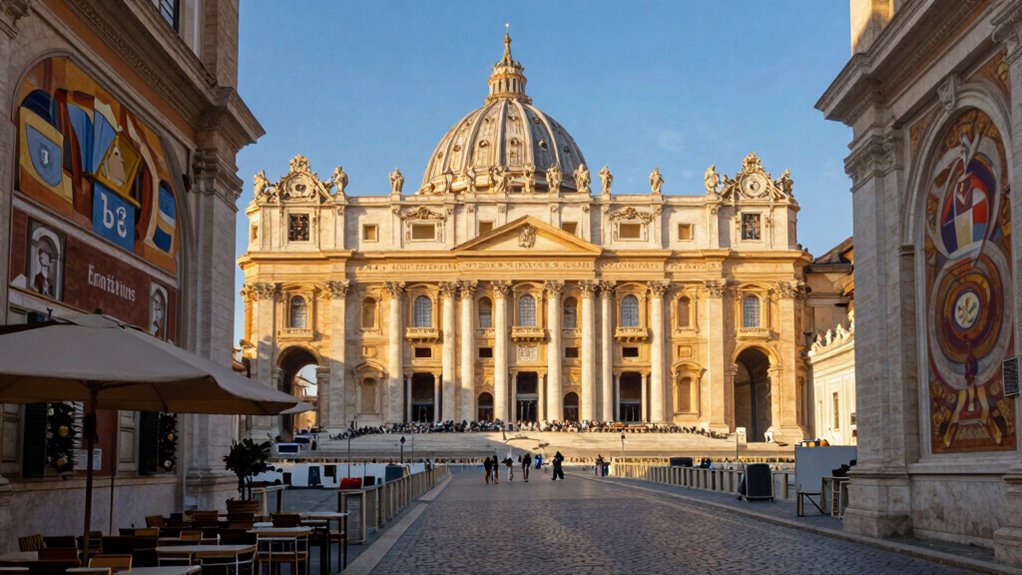
Ever wonder how to make the most of a visit to the Vatican, one of Rome’s most iconic and busy sites? To truly enjoy it, consider these steps:
- Reserve tickets in advance to skip long lines, especially since the 8:00 AM opening in 2024 makes early access even more valuable.
- Join a guided tour to get behind-the-scenes insights and navigate crowded areas more smoothly, including shortcuts through hidden passages to St. Peter’s Basilica.
- Don’t miss the Bramante Staircase, a stunning spiral that’s perfect for memorable photos.
With 70,000 works across 24 sections and nine miles of art, the Vatican Museums are vast. Guided tours help uncover hidden gems and manage time within a three-hour window, making your visit both enriching and relaxed.
7. Practical Tips for Beating Crowds and Enjoying Rome at a Relaxed Pace
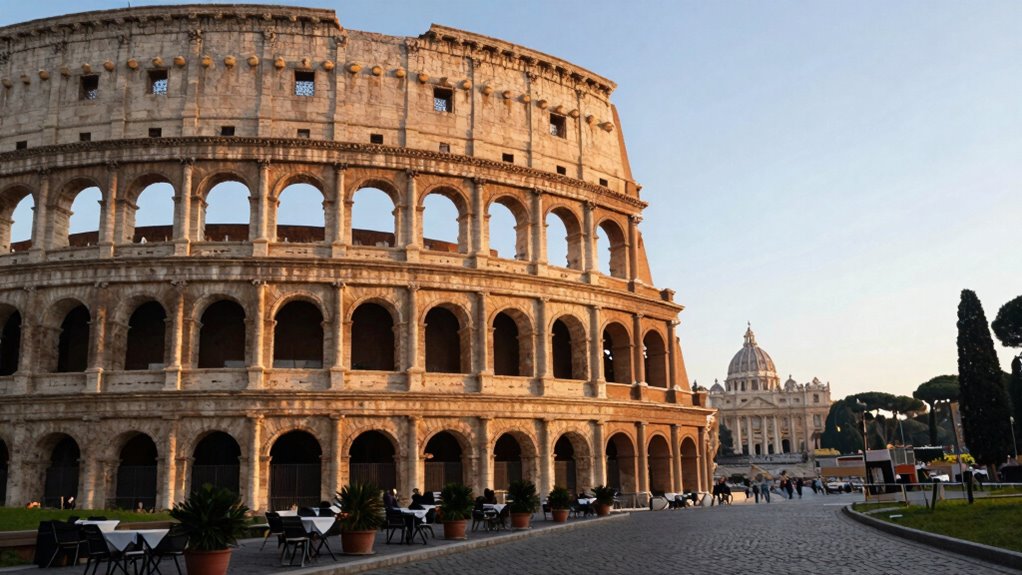
Navigating Rome’s busy attractions can feel overwhelming, but a few smart strategies help visitors enjoy the city at a more relaxed pace. Starting early is key. Visit sites like the Vatican Museums with guided tours that offer early access, allowing for better photography and fewer crowds.
Planning visits to popular spots such as the Colosseum in the morning, combined with nearby Roman Forum and Palatine Hill, makes walking easier and less hectic. Reserving tickets in advance prevents long lines, especially as access rules change, like the lower steps at Trevi Fountain in 2026.
Additionally, scheduling a two-hour midday break each day offers time to relax, enjoy a meal, or explore hidden neighborhoods on foot. Here’s a quick guide:
| Tip | Why it Helps | Example |
|---|---|---|
| Start early | Avoid crowds | Vatican Museums, Colosseum |
| Reserve tickets in advance | Skip waiting in lines | Trevi Fountain, Roman Forum |
| Take midday breaks | Rest and enjoy local life | Piazzas, casual strolls |
8. Recommended Tours, Tickets, and How to Skip the Lines
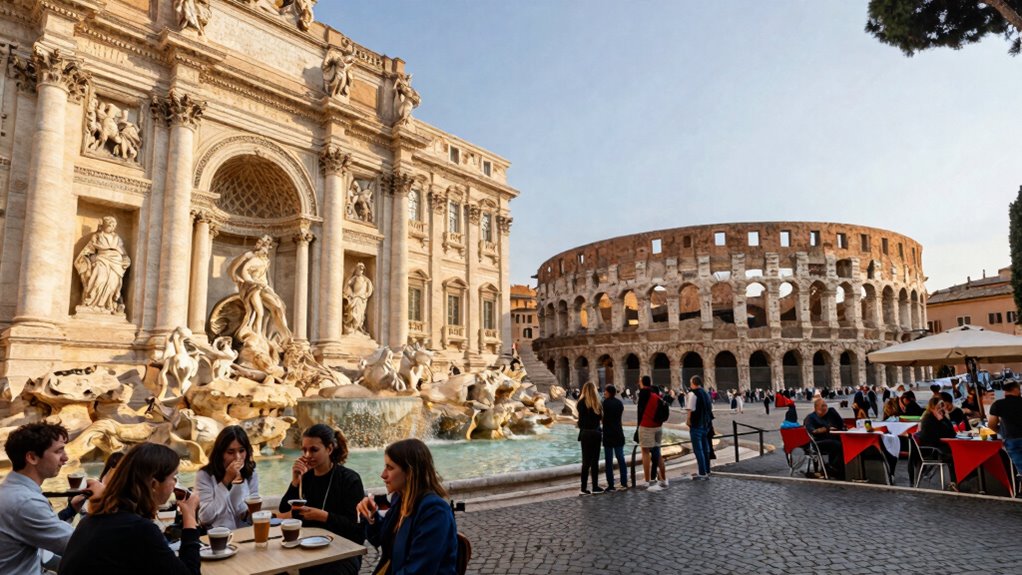
Would you like to experience Rome’s most famous sights without waiting in long lines? Booking tickets in advance is the best way to skip the crowds at top spots like the Colosseum and Vatican Museums. Here are three helpful tips:
- Reserve guided tours early, many include fast-track entry and access to hidden passages like the Bramante Staircase, perfect for photos.
- Opt for early morning visits. Sites like the Sistine Chapel and Trevi Fountain are much calmer at dawn, especially before the crowds arrive.
- Choose combination tickets. Some tours include nearby attractions like the Roman Forum or Palatine Hill, saving time and money.
9. Making the Most of Your 3 Days : Insider Strategies for a Memorable Visit
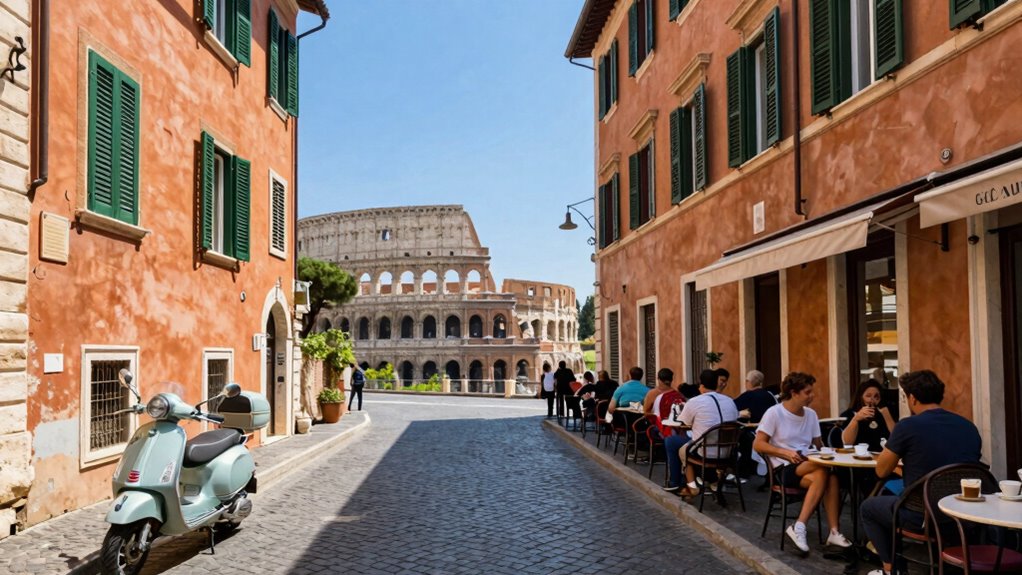
How can travelers make the most of their limited time in Rome while still enjoying a relaxed, memorable experience? The key lies in balancing must-see sights with smart planning. Staying within a 10-minute walk of the Vatican allows easy access to iconic spots like St. Peter’s Basilica and the Vatican Museums. Scheduling guided tours—around three hours each—adds valuable context and helps navigate busy crowds. Free time lets visitors explore independently.
Visiting popular attractions like the Trevi Fountain, Pantheon, and Spanish Steps early in the morning or during off-peak hours ensures clearer photos and a calmer atmosphere. Using practical resources, like transit passes for quick travel and booking tickets in advance, minimizes wait times. These insider strategies help visitors enjoy Rome’s magic without feeling rushed or overwhelmed.