As an Amazon Associate, this website earns from qualifying purchases.
Tokyo’s illustration styles blend tradition and modern flair. You’ll find Nihonga artworks using mineral pigments and silk, alongside Ukiyo-e woodblock prints with bold lines. Modern influences like manga’s vibrant characters and anime’s colorful worlds shape city aesthetics. Iconic neighborhoods such as Shibuya and Ginza showcase neon-lit streets and detailed signage. Places like the Studio Ghibli Museum or stationery shops reveal storytelling and intricate design. Exploring these themes uncovers Tokyo’s rich visual language, with more creative insights awaiting curious explorers.
1. What Are the Key Characteristics of Tokyo’s Illustration Styles?
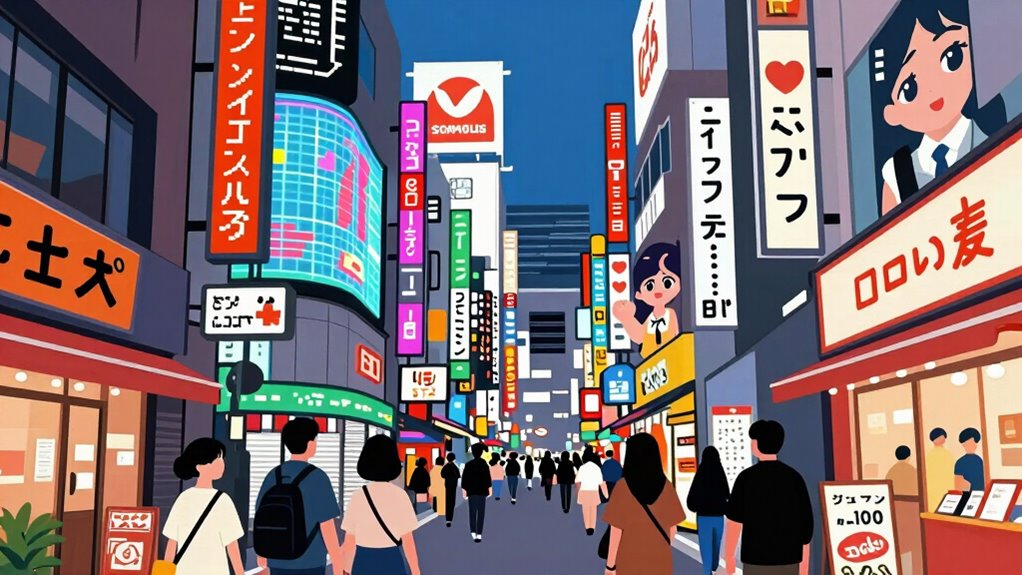
Have you ever wondered what makes Tokyo’s illustration styles so distinctive? It’s their focus on capturing the city’s vibrant energy through neon-lit streets and street-level vignettes. These illustrations often highlight everyday scenes—people walking, shopfronts, or landmarks—making ordinary moments feel extraordinary.
The style emphasizes a collection-based branding approach, using recurring themes and landmarks like Meiji Jingu Shrine or Kabukicho nightlife to build a recognizable Tokyo identity. Bright neon signs and orderly pedestrian flows create a lively, energetic atmosphere that feels both modern and approachable. Artists blend urban motifs with cultural landmarks, making Tokyo’s visual language accessible and engaging. It’s a style that celebrates the city’s unique blend of tradition and contemporary life, inviting viewers to explore every corner through colorful, detailed illustrations.
2. Exploring Traditional Techniques in Tokyo Art: Nihonga and Ukiyo-e
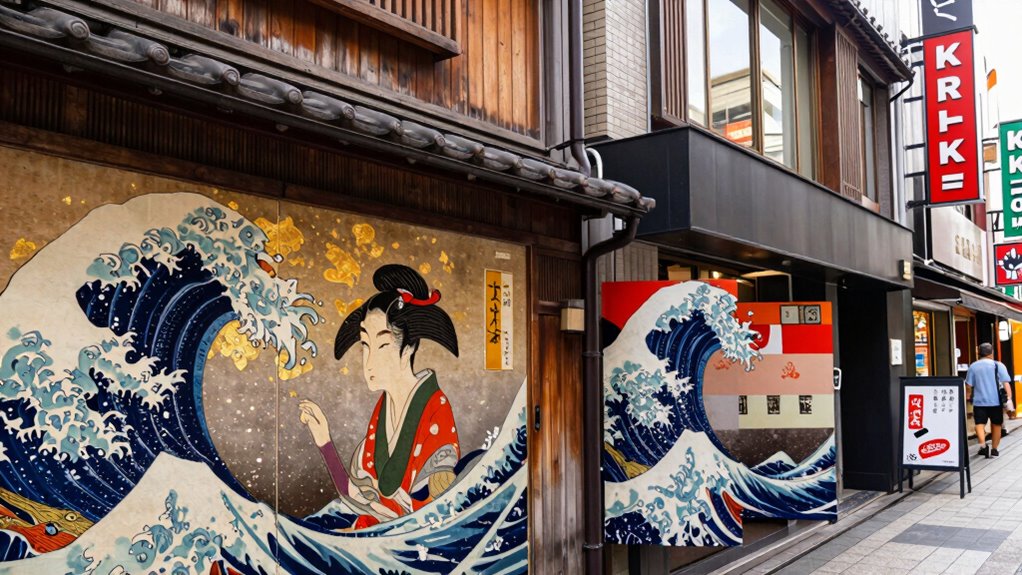
Ever curious about how traditional Japanese art techniques continue to influence Tokyo’s visual culture? Nihonga and Ukiyo-e are two prime examples. Nihonga is a classical painting style that uses mineral-based pigments—sourced from corals, shells, and semi-precious stones—and mixed with animal glue called nikawa. Artists paint on silk or Washi paper, often creating scrolls called kakejiku, which can be displayed and rotated seasonally. Kumihimo weaving might even be integrated into these displays for added texture.
Meanwhile, Ukiyo-e, the famous woodblock print tradition, revolutionized Tokyo illustration by making art accessible to the masses. Its bold lines and vibrant colors shaped Tokyo’s visual language, blending art and everyday life. Together, Nihonga and Ukiyo-e demonstrate the deep roots of traditional techniques in modern Tokyo art.
3. The Modern Edge: Manga and Anime Influences in Tokyo Visuals
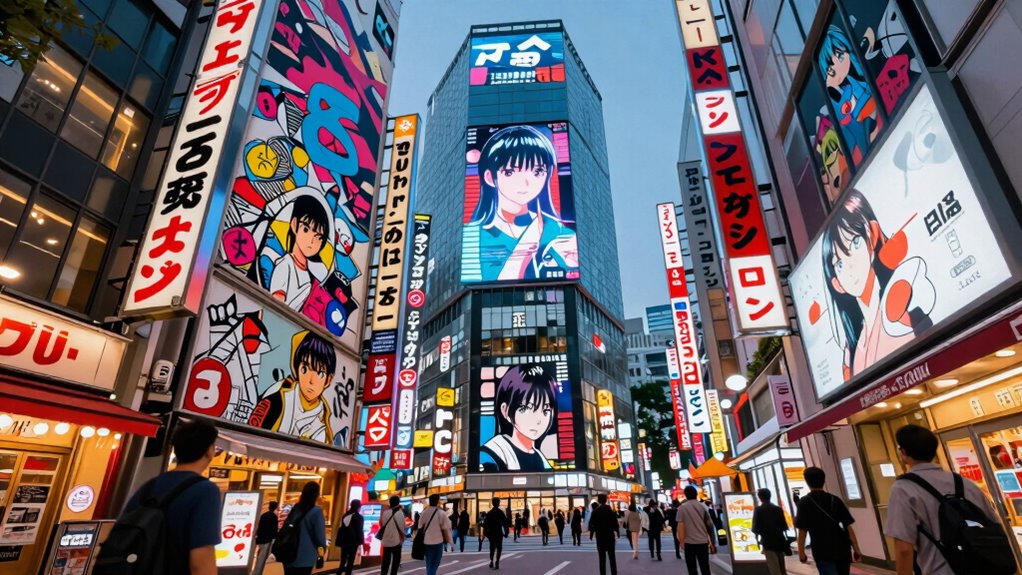
How do manga and anime shape the visual landscape of Tokyo today? These popular Japanese art forms have deeply influenced the city’s modern aesthetics. Visitors often notice the vibrant, exaggerated characters and dynamic scenes that appear in Tokyo streets, storefronts, and public art. Manga’s bold lines and expressive faces inspire many Tokyo-based illustrators, while anime’s colorful worlds and fantastical scenes set the tone for many visual projects.
From the neon-lit neighborhoods to design boutiques, you’ll find manga and anime motifs woven into Tokyo’s daily life. These influences shape everything from fashion to street art, creating a lively, playful atmosphere. Overall, manga and anime serve as a modern visual language, defining Tokyo’s unique blend of tradition and innovation.
4. Where to Find Iconic Tokyo Illustration Styles : Top Galleries, Studios, and Neighborhoods
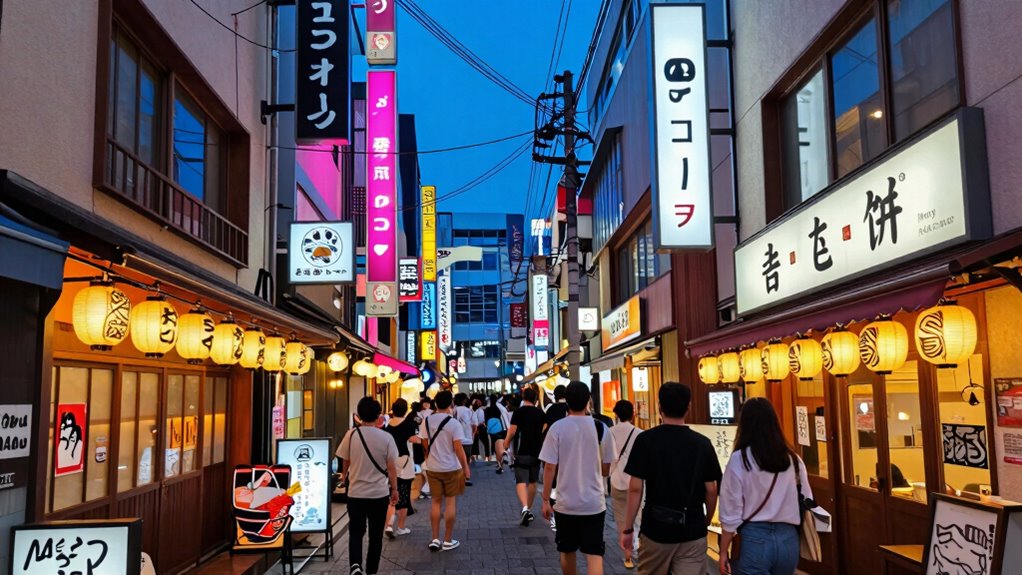
Tokyo’s vibrant illustration scene can be explored through a variety of inspiring locations that showcase its unique style. Iconic spots include studios and galleries where artists bring Tokyo illustration to life, often inspired by neon-lit streets, bustling neighborhoods, and tranquil shrines. The Studio Ghibli Museum offers a magical look into the world of animation and storytelling, while areas like Ginza Itoya highlight Tokyo’s stationery culture, fueling creative expression.
Neighborhoods like Kabukicho and Ohi Racecourse flea market provide lively scenes that often serve as inspiration for vivid, energetic artwork. These venues represent the heart of Tokyo illustration, blending everyday scenes with extraordinary visual storytelling and revealing how the city’s diverse environments influence its artistic identity.
5. How Tokyo’s Cultural Atmosphere Shapes Its Unique Illustration Aesthetic?
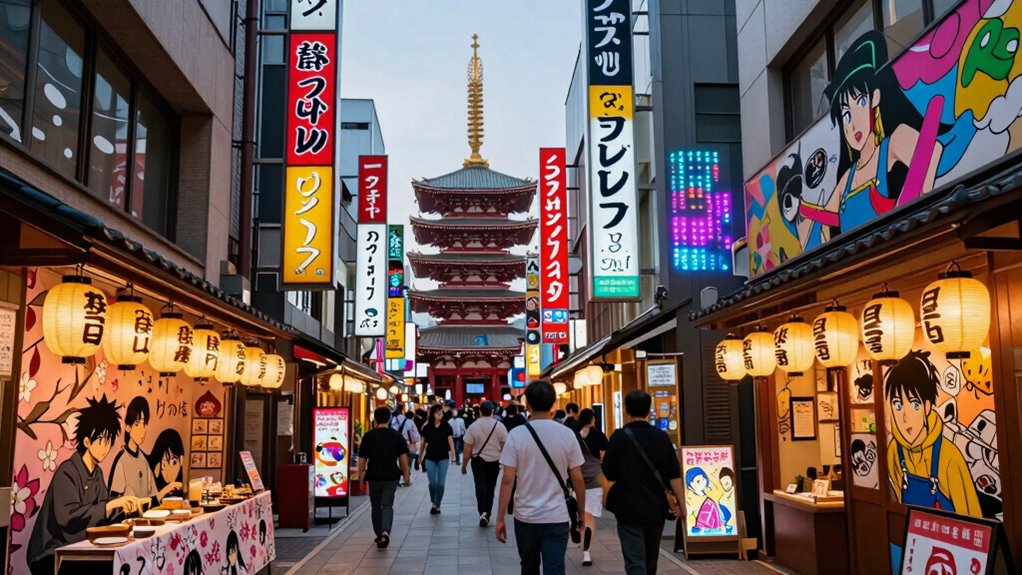
What makes Tokyo’s illustration style so distinctively vibrant and lively? It’s the city’s rich cultural atmosphere that shapes its unique aesthetic. Neon signage flickers through busy street scenes, adding a splash of color amid orderly streets and bustling markets. The city’s stationery culture, with its focus on artisanal notebooks and delicate pens, influences detailed drawings that celebrate small, intricate details.
Iconic landmarks like the Tokyo Metropolitan Government Building or Ginza’s vibrant shopping streets inspire artists to capture their essence. The vibrancy comes from a mix of everyday life and creative energy, transforming ordinary scenes into extraordinary visuals. Artists often draw inspiration from:
- Neon-lit night markets
- Crowded street corners
- Artisanal craft shops
- Rooftop gardens with panoramic views
6. Tips for Discovering Tokyo Illustration Styles During Your Visit
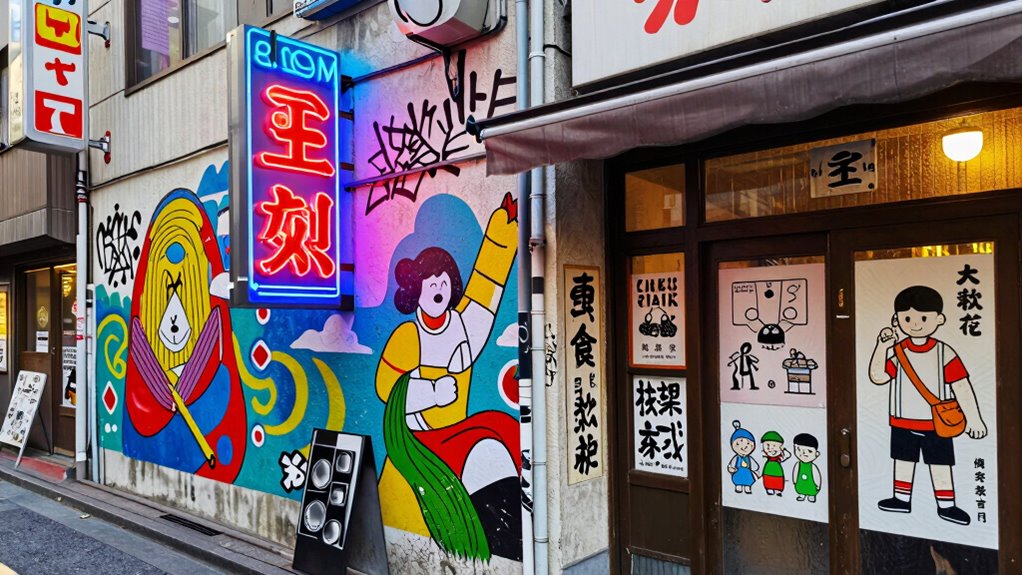
Exploring Tokyo’s vibrant illustration scene firsthand can be both exciting and rewarding. To discover unique Tokyo illustration styles, visitors should start by wandering lively neighborhoods like Shibuya or Ginza, where street culture thrives. These areas showcase colorful signage, neon lights, and small details on packaging that reflect Tokyo’s artistic spirit. Pay attention to the way signs are designed—some feature bold, playful fonts, while others are minimalistic yet charming.
Visiting markets such as Ohi Racecourse flea markets or exploring stationery stores like Ginza Itoya reveals a wealth of inspiration, from traditional washi tapes to modern illustrations. Engaging with local artists or taking short workshops can deepen understanding of Tokyo illustration’s diversity, blending modern street culture with historic aesthetics. This makes your journey both immersive and visually enriching.