As an Amazon Associate, this website earns from qualifying purchases.
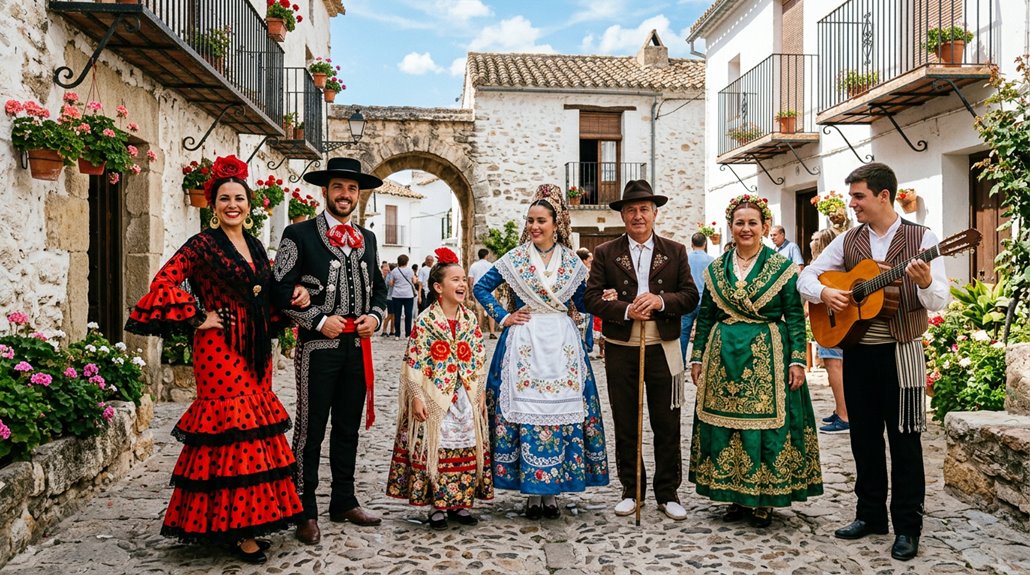
Spain’s traditional clothing reflects its rich cultural diversity. The flamenco dress, with ruffles and vibrant patterns, is iconic for festivals in Andalusia. Matadors wear the elaborate “traje de luces,” featuring embroidered jackets and high-waisted trousers for bullfighting. Regional styles vary, with modest attire near religious sites and casual-smart outfits in Catalonia. Modern takes blend heritage with fashion, while travelers can incorporate key elements with simple accessories. Exploring these styles offers a charming glimpse into Spain’s vibrant history and customs.
1. Overview of Traditional Spanish Clothing Styles and Their Cultural Significance
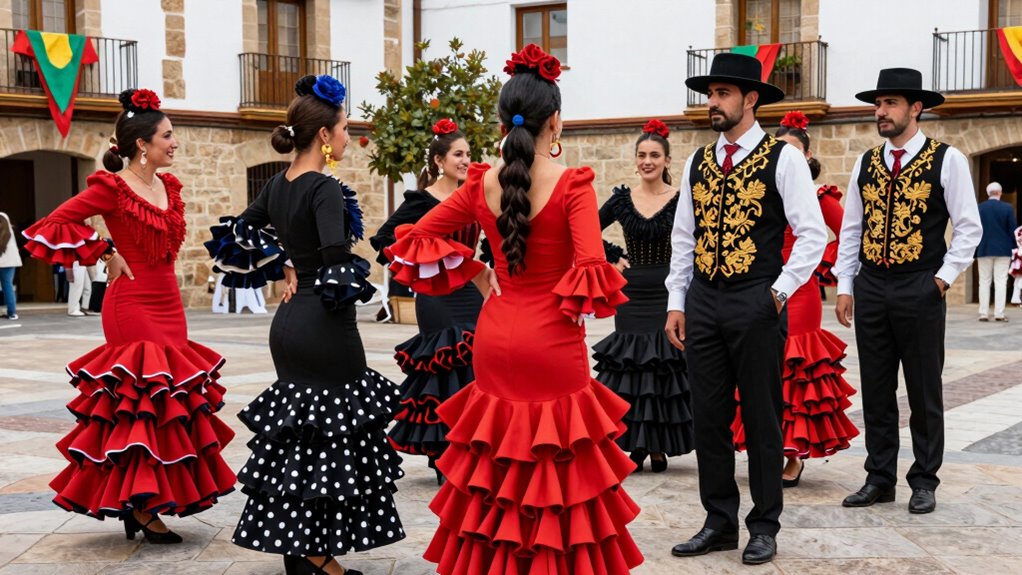
Have you ever wondered how clothing can tell a story about a place and its people? In Spain, traditional clothing reveals rich cultural history, especially through regional costumes. For example, the flamenco dress, with its flowing skirts and ruffled sleeves, symbolizes Andalusia’s passionate spirit. Complementing this is the mantón de Manila, an embroidered shawl draped over shoulders, often showcasing intricate patterns and bold colors. These elements are central to regional costumes worn during festivals, highlighting pride and tradition.
Men’s traditional attire, like fitted waistcoats and short jackets, also reflect regional identity. While everyday wear is modern, these garments come alive during Holy Weeks and local fairs. They signal celebration, modesty, and social status—woven into Spain’s vibrant cultural fabric.
2. The Flamenco Dress: Iconic Attire for Festivals and Celebrations
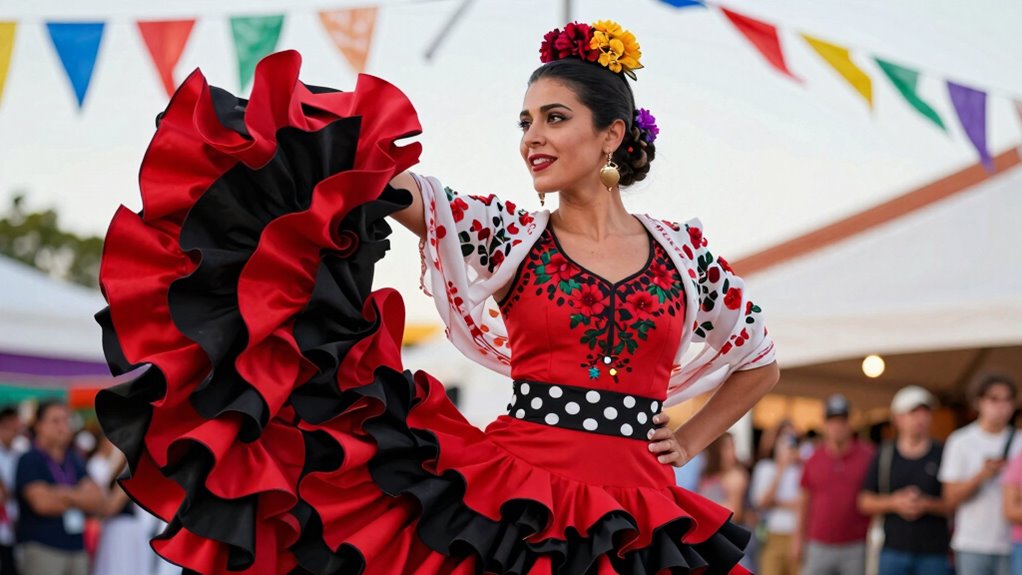
What makes the flamenco dress such an iconic symbol of Spanish culture? The traje de flamenca, or flamenco dress, is instantly recognizable with its fitted silhouette, ruffled layers, and lively patterns like polka dots or florals. It’s traditionally worn during festivals and celebrations, especially in Andalusia, like the famous Feria de Sevilla. The dress often features long sleeves and is paired with accessories such as a mantón, a decorative shawl, or a flower tucked into the hair.
High-heeled shoes and large earrings complete the striking look. While originally designed for flamenco performances, modern versions are stylish city wear, capturing Spain’s festive spirit. This vibrant attire embodies the passion and lively traditions that make Spanish culture so unique and colorful.
3. The Matador Outfit: Elements of the Classic Bullfighter Costume
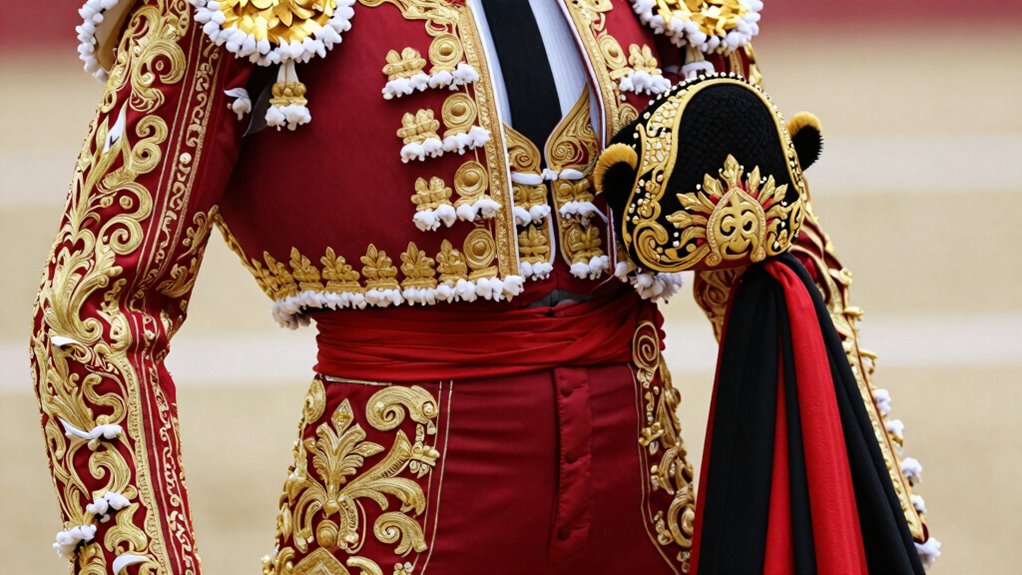
The matador outfit, known as the “traje de luces” or “suit of lights,” is one of the most striking symbols of Spanish bullfighting tradition. This elaborate bullfighter costume features a short, embroidered jacket called a chaqueta, and high-waisted, snug trousers called taleguilla, often decorated with gold or silver thread. The outfit also includes a white shirt and a narrow tie or stock, completing the formal look.
Accessories like the montera, a black braided hat, and a crimson cape called the muleta, are essential parts of the ensemble. The vivid color palette—reds, golds, and blues—reflects regional styles and status within bullfighting culture.
| Element | Description |
|---|---|
| Traje de luces | Elaborate, decorated with sequins and embroidery |
| Montera | Traditional black braided hat |
| Chaqueta | Short, heavily embroidered jacket |
| Taleguilla | High-waisted, snug trousers |
| Accessories | Muleta (crimson cape) and slippers for movement |
4. Regional Variations: How Clothing Styles Differ Across Spain’s Diverse Areas
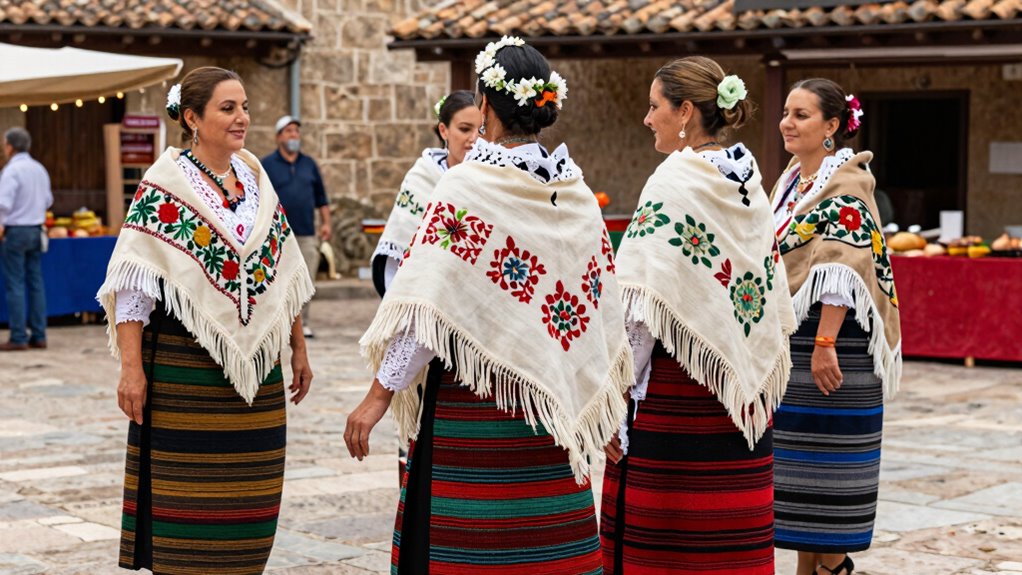
Spain’s diverse regions each have their own unique clothing styles that reflect local traditions, climate, and history. These regional variations in Spain’s traditional clothing reveal much about local customs and the influences shaping each area.
For example, in Andalusia, modest dress codes influenced by mosque-era traditions mean visitors should choose conservative attire, especially when visiting religious sites. Meanwhile, in Catalonia, casual and smart-casual attire is common for daytime outings, with locals preferring well-put-together looks over athletic wear. Dress codes at religious sites like Barcelona Cathedral often require covering shoulders and knees, but enforcement can vary by location and staff.
Consequently, travelers should carry a light cover-up or pants to respect regional differences and follow local dress codes, ensuring a respectful and enjoyable visit across Spain’s varied landscapes.
5. Everyday Traditional Wear: Typical Garments Worn by Locals in Spain
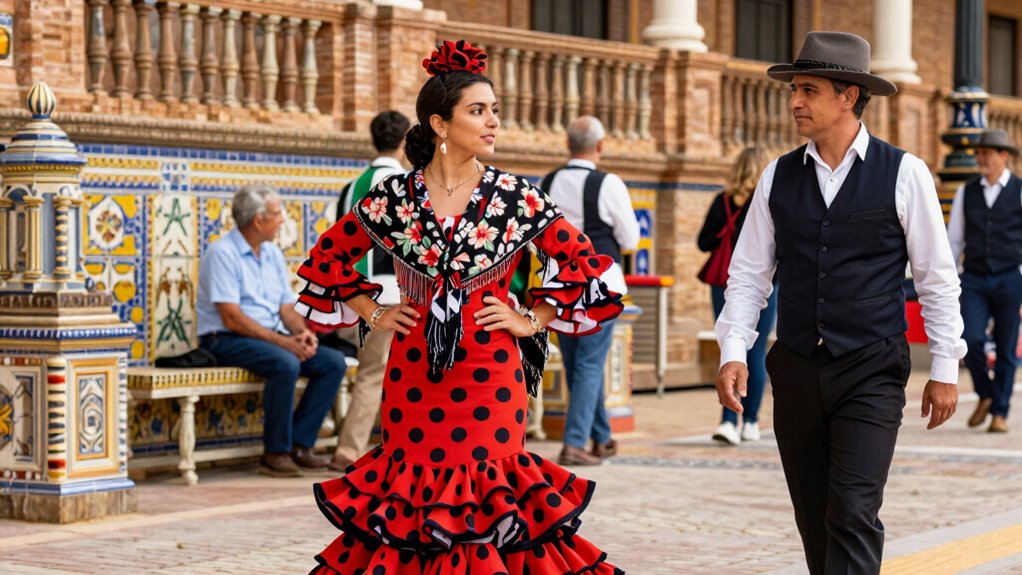
Have you ever wondered what locals in Spain typically wear on an ordinary day? Spanish everyday traditional wear reflects regional influences and the country’s rich culture. For instance, in Catalonia, casual-smart outfits for Spain combine neat shirts and stylish trousers, while Andalusia favors modest, mosque-influenced dresses. Here are some typical garments:
- Well-groomed, casual-smart outfits that align with Spain’s traditional dresses.
- City styles like shorts and sleeveless tops, especially in Barcelona, where casual daytime attire is common.
- Modest clothing when visiting religious sites, with shoulders and knees covered.
- Beachwear reserved strictly for beaches and pools, adhering to local regulations.
Spanish clothing emphasizes neatness and respect for tradition, blending comfort with cultural pride.
6. Modern Interpretations of Traditional Styles: Blending Heritage With Contemporary Fashion
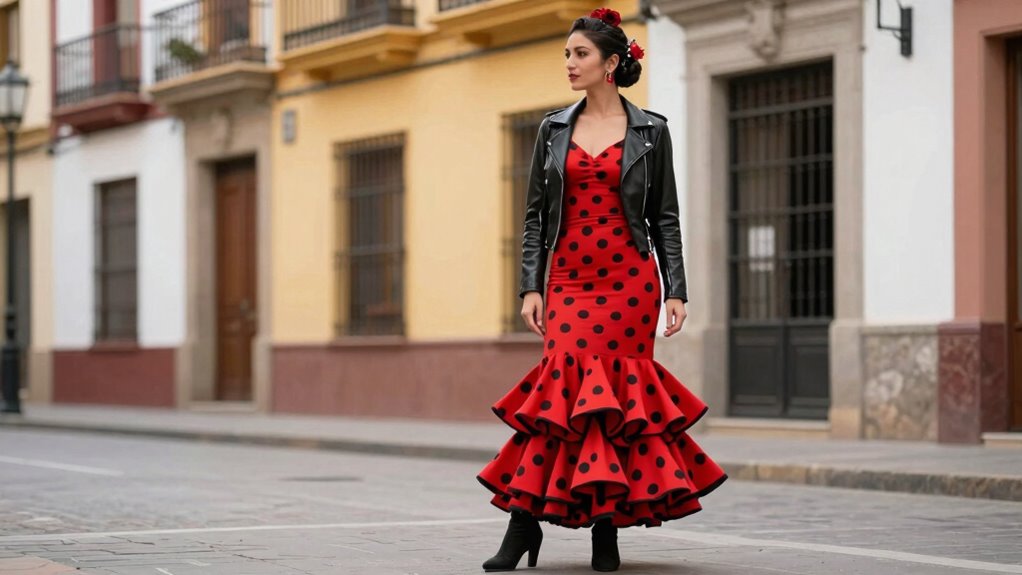
How do modern fashion trends in Spain honor its rich cultural heritage while also feeling fresh and current? Today’s Spanish styles blend traditional elements with contemporary fashion, creating looks that are both stylish and meaningful. Bright colors and tailored fits pay homage to regional dress, while remaining practical for city life in places like Barcelona and Madrid.
Spaniards often express themselves confidently through their outfits, avoiding overly casual loungewear in favor of polished streetwear. Popular accessories like mini backpacks and decorative patches add a personal touch. Footwear such as stylish sneakers or platform sandals combine comfort with height, making them perfect for exploring.
When visiting religious sites, modest clothing is key, blending traditional modesty with modern silhouettes. This approach shows respect without sacrificing style.
7. Tips for Incorporating Spanish Traditional Elements Into Your Travel Wardrobe
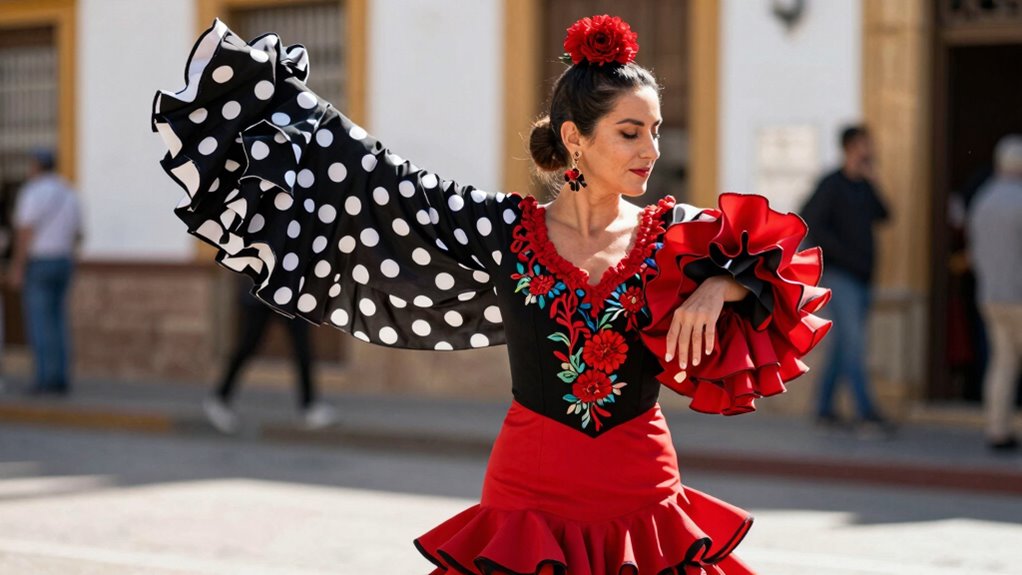
Ever wondered how to add a touch of authentic Spanish style to a travel wardrobe? Incorporating traditional elements can elevate your look while respecting local culture. First, consider choosing footwear like stylish sandals or comfortable sneakers, perfect for different settings and blending modern comfort with traditional flair.
Second, select well-put-together outfits, avoiding athleisure, to match locals’ polished yet relaxed style.
Third, for visits to religious sites, remember to cover shoulders and knees; scarves or shawls work well.
Finally, embrace regional influences—casual smart looks for Catalonia or modest styles inspired by Andalusia’s mosque-era history.
These tips help travelers look respectful, confident, and stylishly in tune with Spain’s rich heritage.