As an Amazon Associate, this website earns from qualifying purchases.
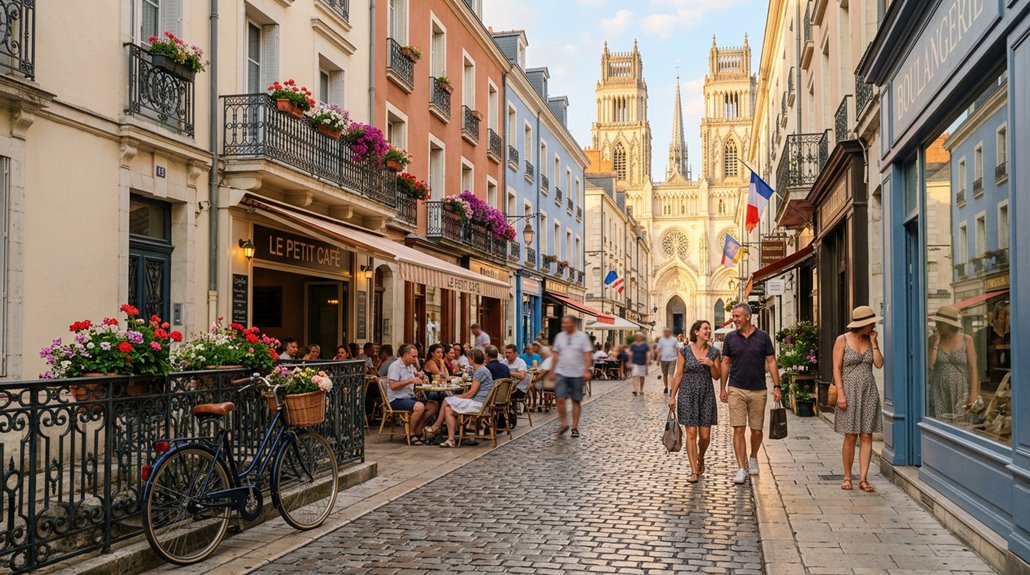
Orléans offers a charming mix of history, stunning architecture, and lively cafés. Visitors can explore the Gothic Sainte-Croix Cathedral, with its flying buttresses and stained-glass windows, or visit the Maison de Jeanne d’Arc where Joan of Arc stayed during the city’s liberation. The central Place Martroi buzzes with cafés and a Joan of Arc statue. Markets serve regional foods like mustard and oysters, perfect for sampling local flavors. Keep exploring to uncover more hidden gems and vibrant spots.
Discover the Highlights of Sainte Croix Cathedral and Its Stunning Architecture
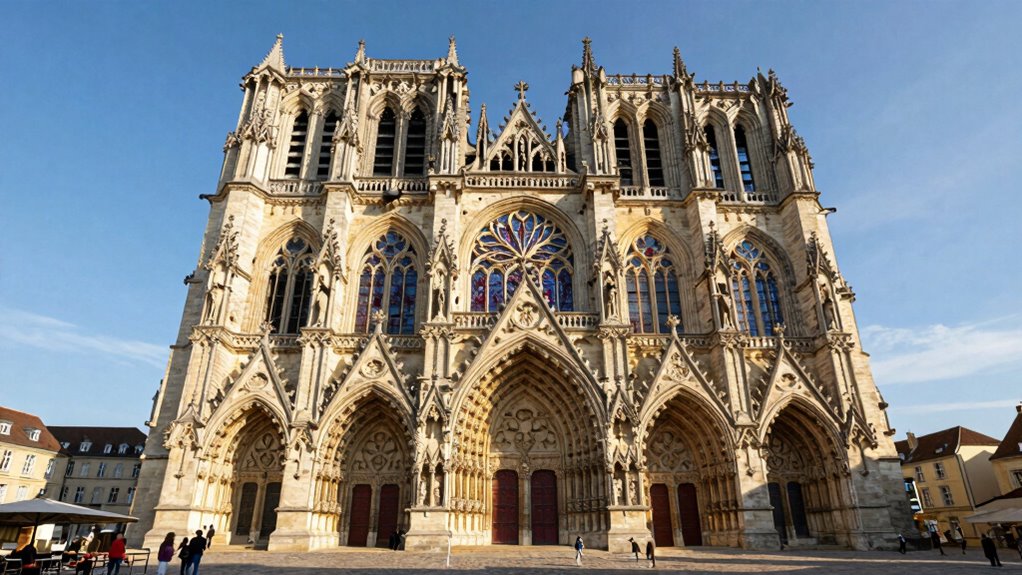
Ever wondered what makes Sainte-Croix Cathedral in Orléans a must-see? This impressive structure, often called Orléans Cathedral, showcases stunning Gothic architecture. Its spires soar up to 114 meters, making it a striking skyline feature. The cathedral measures about 130 meters long, with domes reaching 32 meters high, highlighting its grandeur. Built starting in 1601, it features flying buttresses and intricate stonework on the façade, exemplifying Gothic style.
Inside, beautiful stained-glass windows depict Joan of Arc and her story, connecting the church’s history with the city’s past. Seasonal lights and Christmas displays further enhance its beauty. Sainte-Croix’s architecture is not just impressive but deeply meaningful, reflecting centuries of craftsmanship and history. This makes it a highlight along Orléans’ historic waterfront.
Explore the Historic Maison De Jeanne D’Arc and Its Fascinating Story
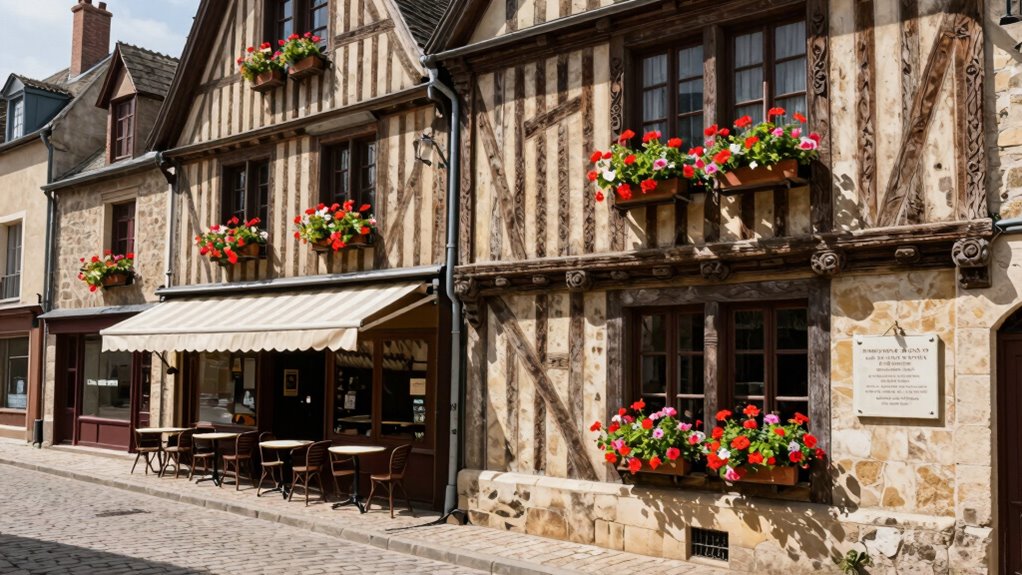
Did you know that the historic house where Joan of Arc once stayed in Orléans has a story as compelling as the saint herself? The Maison de Jeanne d’Arc marks the spot where she stayed during the city’s liberation in 1429. Although the original building was destroyed during World War II, today’s structure is a carefully crafted replica that honors her legacy.
Visitors can watch a 15-minute English-language film explaining Joan’s vital role in lifting the siege of Orléans and her connection to the city’s history. The site is often bundled with tickets to other museums, making it easy to explore multiple attractions in one trip. Located near landmarks like Sainte-Croix Cathedral, the Maison de Jeanne d’Arc offers a fascinating glimpse into Orléans’ rich past.
Uncover the Secrets of Hotel Groslot’s Medieval Rooms and Its Rich Past
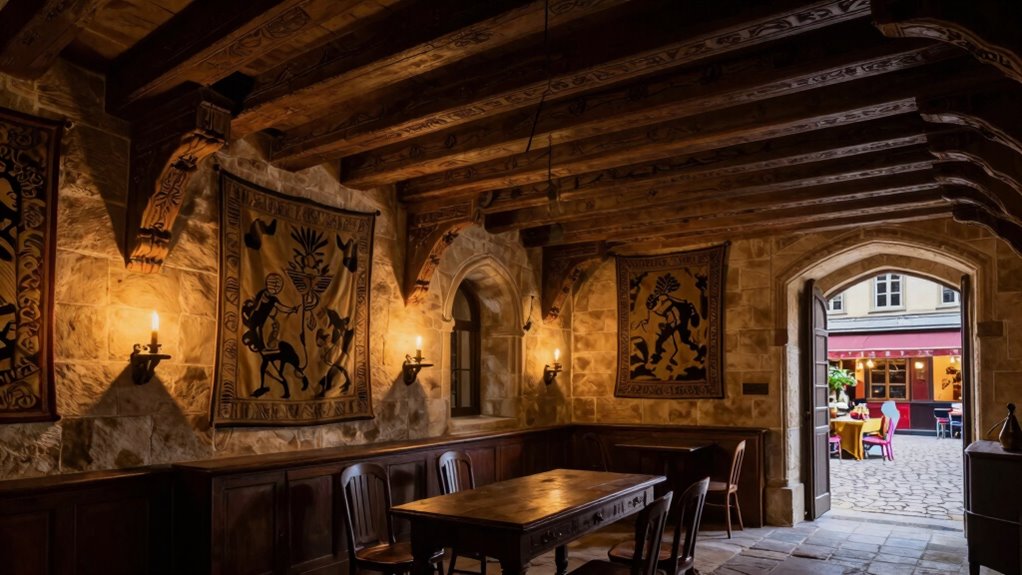
Following the footsteps of history in Orléans, the Hôtel Groslot offers visitors a rare glimpse into the city’s aristocratic past. This Renaissance-era building once served as the residence of the city’s mayor and later hosted royal audiences, making it a key part of local aristocratic history. Inside, visitors can admire beautifully preserved interiors that display authentic Renaissance interiors, including period furnishings, artwork, and architectural details that have survived for centuries.
These rooms provide a tangible connection to the past, revealing how aristocrats lived and held official events during the 16th century. Additionally, the building’s gardens and rear façade offer peaceful spots for photography and reflection. Overall, Hôtel Groslot’s medieval rooms tell stories of a bygone era, inviting visitors to step into history and explore France’s rich heritage.
Wander Through Place Martroi and Experience Orléans’ Vibrant Atmosphere
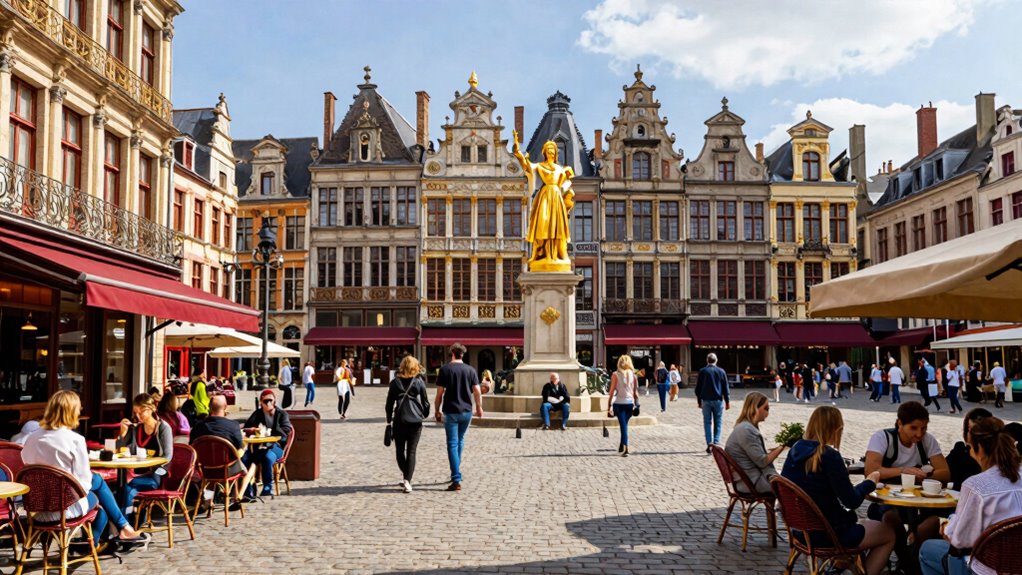
What makes Place Martroi the heart of Orléans’ lively spirit? It’s the central square where energy and history blend seamlessly.
Summer terraces spill onto the pavement, inviting visitors to sit at cafés and take in the vibrant atmosphere. At its heart stands the Joan of Arc statue, a powerful symbol of local pride.
From here, tourists can hop on the little tourist train for a gentle city overview or explore nearby medieval streets with timbered façades and boutique shops.
The square also serves as a hub for festivals and events, filling the air with excitement. For cultural insights, visitors can access self-guided audio tours at the Tourist Office, making Place Martroi an ideal starting point to experience Orléans’ lively charm and rich history.
Dive Into Local Food at the Friday Markets and Savor Regional Specialties
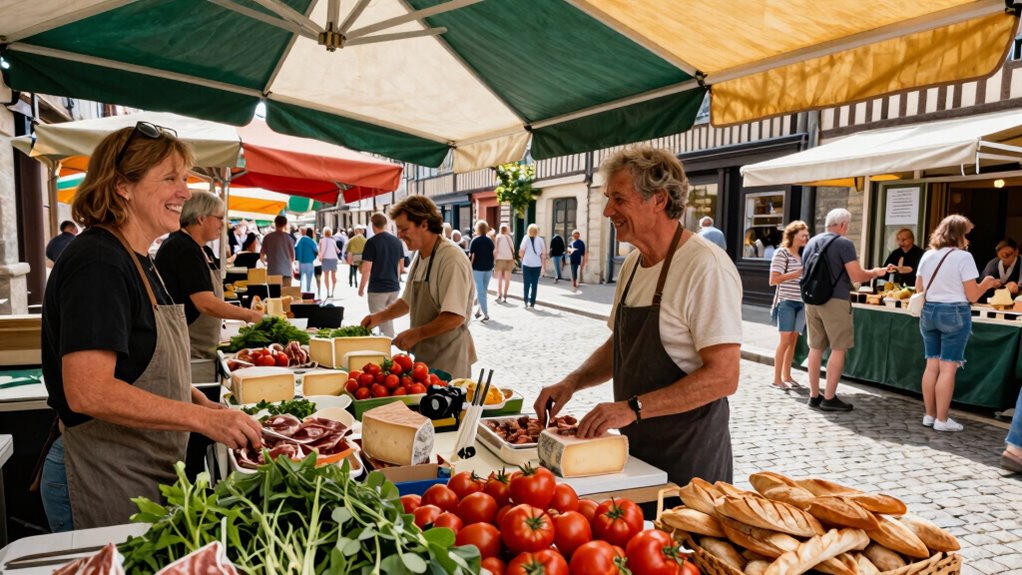
On Fridays, the lively atmosphere of Place Martroi and nearby Rue Royale transforms into a bustling hub of local food and culture. Orléans markets burst with energy, offering regional specialties like Orleans vinegar and mustard, which are staples in local cuisine. By late afternoon, food stalls appear, serving dishes such as oysters, paella, and quiche, perfect for a quick dinner or snack.
Visitors can explore riverbank markets for fresh seasonal produce, artisanal cheeses, and pâtés. Many locals use carts to carry groceries home, blending everyday life with vibrant flavors. To enhance the experience, tasting regional wines from the Loire Valley pairs beautifully with river fish dishes like pike-perch à l’Orléanaise. These markets offer an authentic taste of Orléans’ rich culinary traditions.
Take a Self-Guided Audio Tour to Learn About Orléans’ Rich History and Landmarks
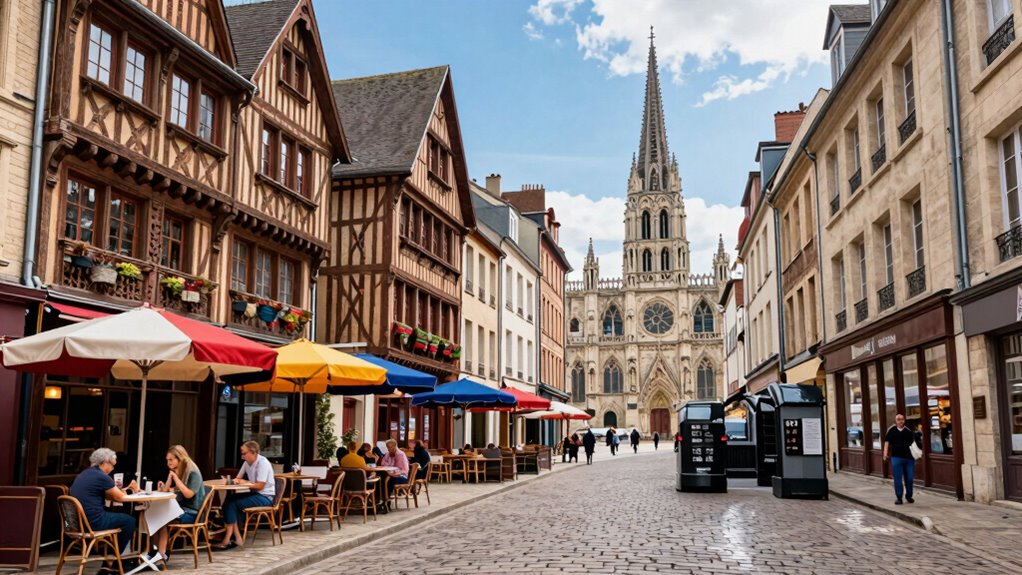
Have you ever wondered how to explore a city’s story without getting lost or missing its most important sights? In Orléans, a self-guided audio tour offers an engaging way to discover its rich history and landmarks. Starting at the Tourist Office in Place du Martroi, visitors can explore key sites like the stunning Gothic Sainte-Croix Cathedral, with its towering spires and impressive domes.
The tour highlights Orléans’ connection to Joan of Arc, recounting her role in lifting the siege during the 15th century. Along the way, audio stops reveal fascinating details about medieval streets, timbered houses on Rue Royale, and the Renaissance interiors of Hôtel Groslot. The route concludes back at Place du Martroi, perfect for relaxing at nearby cafés while soaking in the city’s storied past.
Explore the City’s Underground and Cryptic Sites for a Hidden History Experience
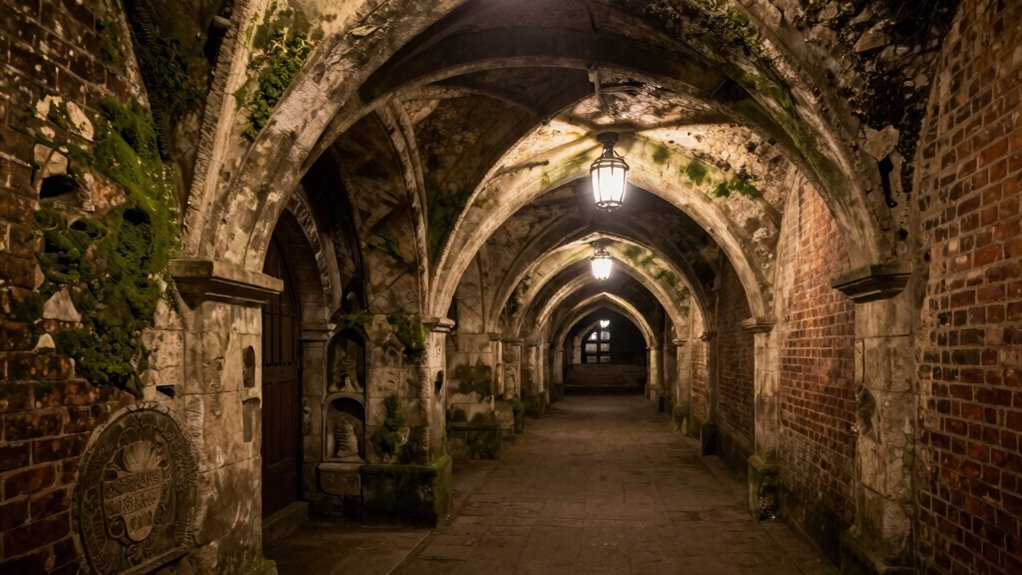
Exploring Orléans’ underground and cryptic sites offers a fascinating glimpse into the city’s hidden history, often tucked away beneath lively streets and historic buildings. Visitors can glimpse remains near Porte Bannier through an elevator window, revealing a 15th-century city wall.
The underground includes reputed crypts like Saint-Avit and Saint Aignan, though access is limited and usually requires guided tours or seasonal programs. Signs near Porte Bannier hint at subterranean tours, inviting curiosity, but booking isn’t always available. These secret spaces contrast with above-ground landmarks, adding depth to the city’s medieval story.
Find Street Art and Murals That Bring Modern Creativity to Orléans’ Streets
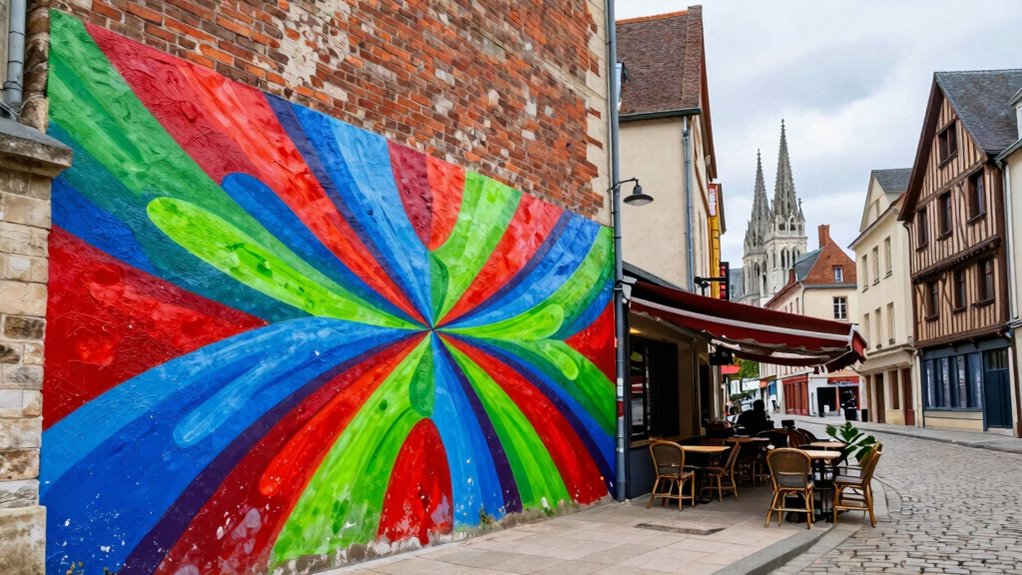
Would you believe that Orléans is just as vibrant with modern street art as it is rich in history? The city’s murals and street art add a lively, contemporary touch to its historic streets. Notably, mosaic street art decorates street names, such as a striking Joan of Arc mosaic above Rue Jeanne d’Arc. The Mur d’Orléans, a rotating mural on a movie theater, constantly changes, showcasing seasonal artwork that captures the city’s creative spirit. Street art trails along Rue Royale and near Place du Martroi connect modern art to the city’s historic neighborhoods.
- Explore murals along Rue Royale, where whimsical pieces like Homer Simpson sit alongside traditional tableaux.
- Discover the ever-changing Mur d’Orléans, an open-air gallery that evolves with each season.
- Seek out hidden murals that reflect Orléans’ cultural identity, blending medieval charm with contemporary creativity.