As an Amazon Associate, this website earns from qualifying purchases.
Planning a seamless trip to Germany starts with clear goals and a realistic budget, helping travelers choose the best routes and transportation options. Using trains like the high-speed ICE and regional trains makes travel comfortable and efficient, while renting cars or combining driving with trains balances flexibility and ease. Creating a flexible schedule with buffer days reduces stress and allows spontaneous discoveries. Organizing key destinations, booking tickets early, and knowing regional highlights ensure a smooth journey—continue exploring to uncover even more handy tips for a memorable adventure.
How to Determine Your Trip Goals and Budget in Germany
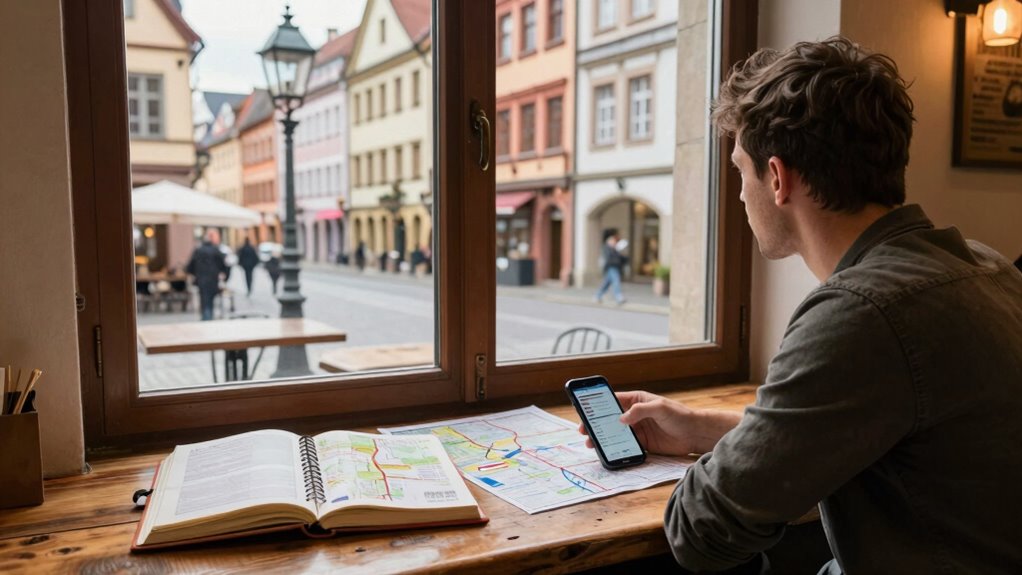
How can travelers make sure their trip to Germany feels both exciting and manageable? The key is to start with clear trip goals and a realistic budget. For example, if exploring castles is a priority, planning visits to famous sites like Burg Eltz or Neuschwanstein helps shape the route and pace.
Budgeting involves considering transportation options like trains or cars, as well as accommodation, meals, and entrance fees. It’s helpful to assign a rough number of nights to each location—perhaps two to four in core towns like Bamberg or Bacharach, and three in Garmisch or Salzburg—so the trip stays balanced. By defining goals and setting a budget, travelers can craft an enjoyable, manageable itinerary that brings Germany’s top sights to life without stress.
Choosing the Best Transportation Modes for Your Itinerary
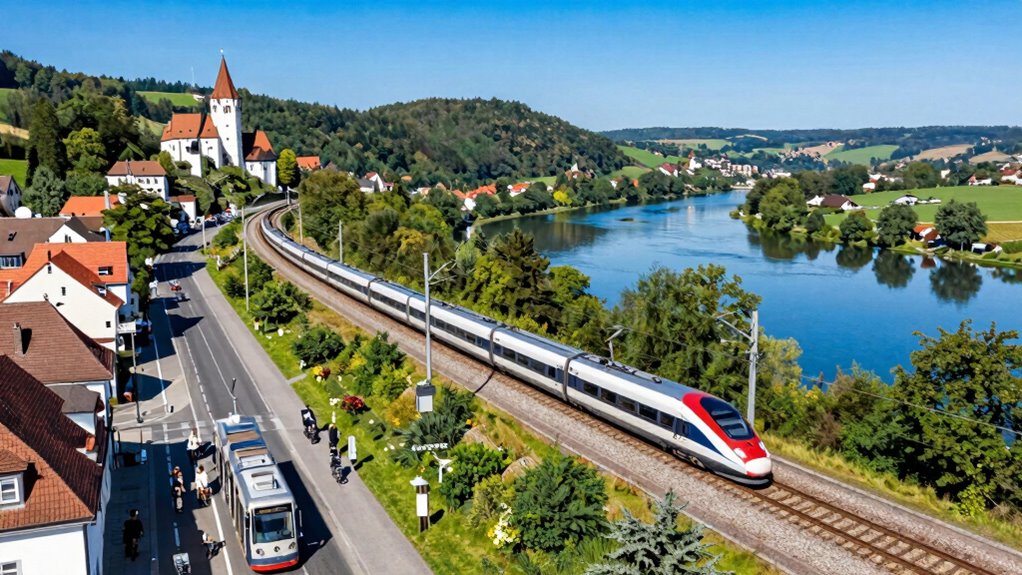
When planning how to get around in Germany, travelers have a wealth of transportation options to contemplate, each suited to different needs and trip styles. Germany transport includes high-speed ICE trains, reaching up to 300 km/h for long-distance travel, and regional trains like IRE, RE, and RB for local trips.
Consider these options:
- Using Bahn for fast, comfortable travel across cities and regions, especially with discounts like BahnCard.
- Exploring regional trains and local transport for city-hopping and nearby sights.
- Opting for night trains or even flights when time is tight, but always balancing costs and convenience.
Travel planning involves choosing the right mix, whether prioritizing speed, budget, or flexibility. By understanding these modes, travelers can craft a smooth, enjoyable itinerary through Germany.
Planning Your Route: Key Destinations and Regional Highlights
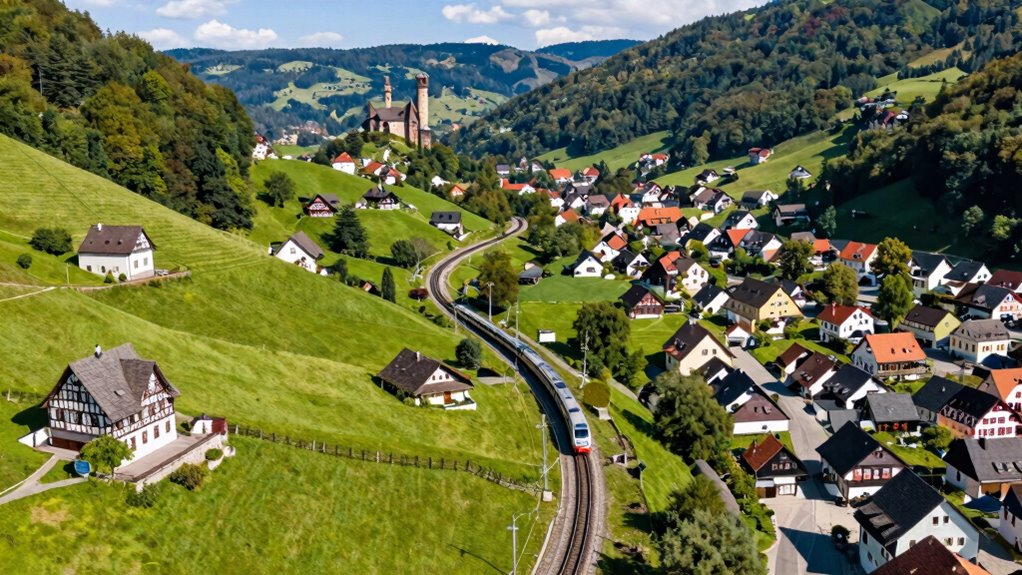
Have travelers ever wondered where to start when planning a trip that covers multiple regions and cities in Germany? For Germany travel enthusiasts, careful itinerary planning is essential. A good starting point is identifying key destinations like the Rhine Valley, famous for its castles, vineyards, and scenic beauty.
From there, the route can include cities such as Trier, known for Roman ruins, and Bamberg, with its charming old town. The Rhine Valley offers numerous day-trip options to explore castles like Marksburg and Rheinfels, plus towns like Boppard. To balance travel and relaxation, travelers might base themselves in Bacharach, using nearby hotels or castles as comfortable starting points.
With a well-thought-out route, the journey through Germany becomes a memorable adventure, full of regional highlights and unforgettable sights.
Booking Flights, Trains, and Buses: Tips for Saving Money and Securing Tickets
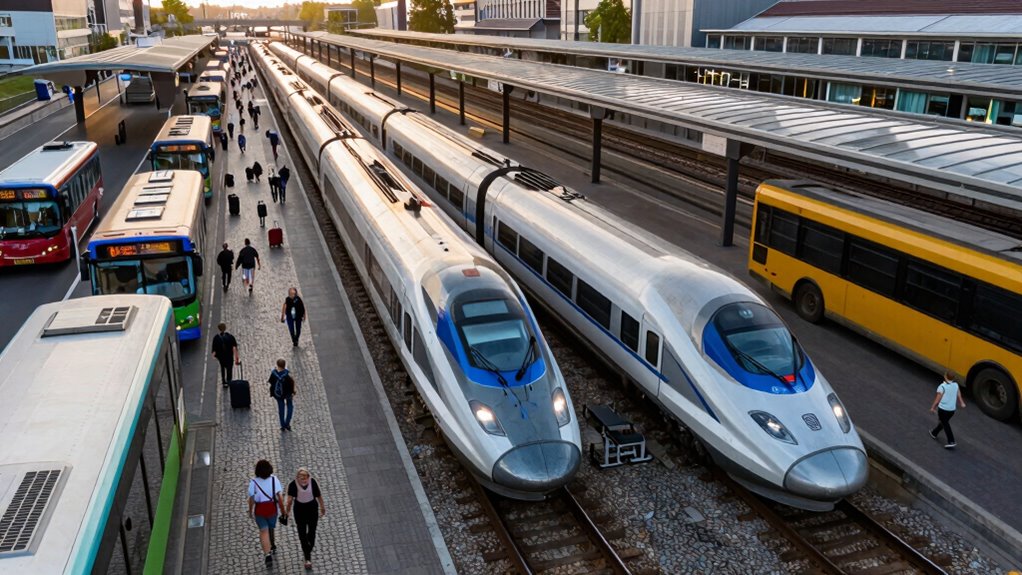
Many travelers wonder about the best ways to save money while booking transportation in Germany. To make travel in Germany more affordable, it’s smart to plan ahead and compare options.
- Book flights at least two weeks early, especially with airlines like Lufthansa, which can be pricier on busy routes like Hamburg–Munich.
- Use Deutsche Bahn for trains and look for discounts like Sparpreis or Gruppe&Spar, especially for long-distance journeys. Reserving seats can also save hassle.
- Check regional passes such as Länder-Ticket or Schönes-Wochenende-Ticket for significant savings on specific days or regions. For the aesthetic Germany pictures that capture the charm of the country, these tickets often make spontaneous trips easier.
Comparing options through platforms like Omio helps find the best deals, making your trip more budget-friendly and enjoyable.
Creating a Flexible Travel Schedule for a Stress-Free Experience
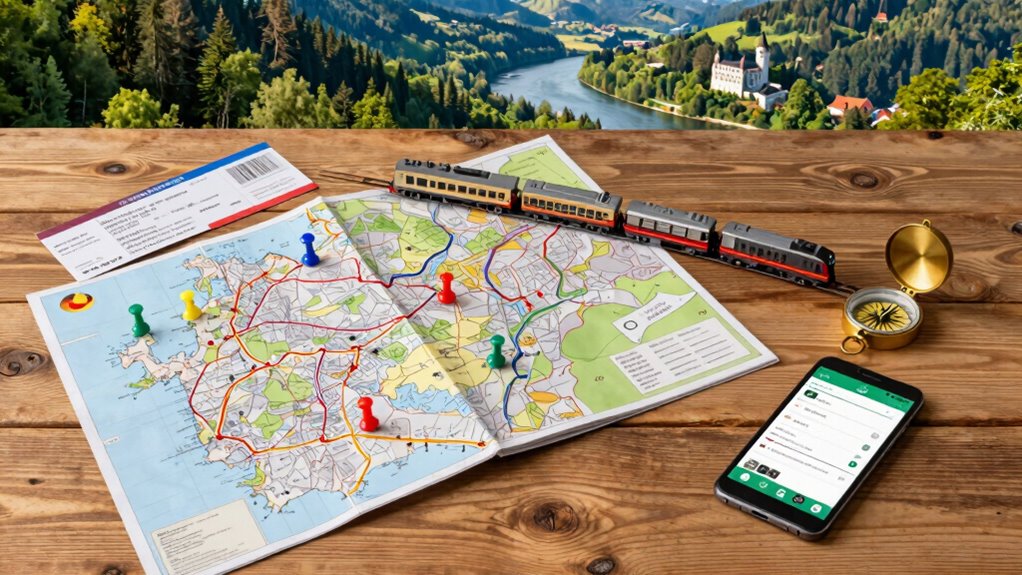
Planning a flexible travel schedule might seem intimidating at first, but it’s really about finding the right balance between structure and spontaneity. Travelers can start by allocating four nights near Stuttgart to recover from jet lag and adjust to the new time zone. From there, they can plan 2–3 nights in charming towns like Bacharach, Trier, or Gengenbach, while being mindful of driving times and rest periods.
Mixing driving with train journeys, such as taking a quick train from Frankfurt to Würzburg to pick up a rental car, can ease long drives. It’s wise to reserve longer stays, like three nights in Garmisch or Salzburg, to enjoy slow sightseeing and weather flexibility. Building in some buffer days helps prevent stress and allows for unexpected discoveries along the way.
Navigating Local Transportation: Tips for Using Public Transit and Renting Cars
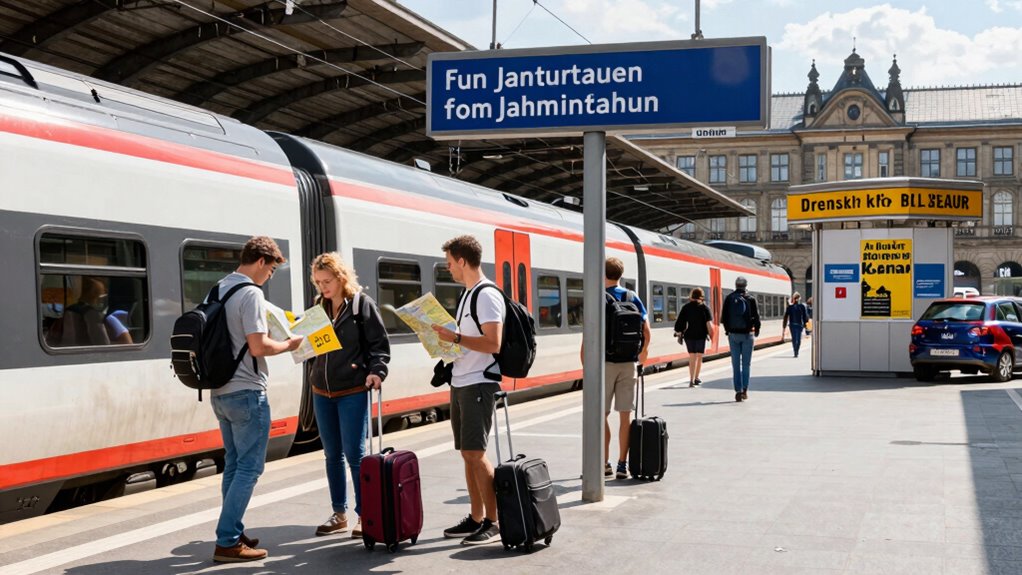
Ever wondered how to get around seamlessly once in Germany? Navigating local transportation can be straightforward with some tips. First, in cities, public transit combines S-Bahn and U-Bahn trains, buses, and trams. Tickets are bought at machines or from drivers, then validated before boarding—so don’t forget this step!
Second, many cities offer all-night services on weekends, marked with an “N” for night routes, perfect for late-night adventures.
Third, for intercity travel, Deutsche Bahn’s high-speed ICE trains reach speeds up to 300 km/h, making long-distance trips quick and comfortable.
If renting a car, remember to check for low-emission zones, called Umweltzonen, and get an emissions badge if needed. Combining rail and road options with regional passes can also save money and make travel easier across regions.
Essential Travel Tips for Smoothly Exploring Germany
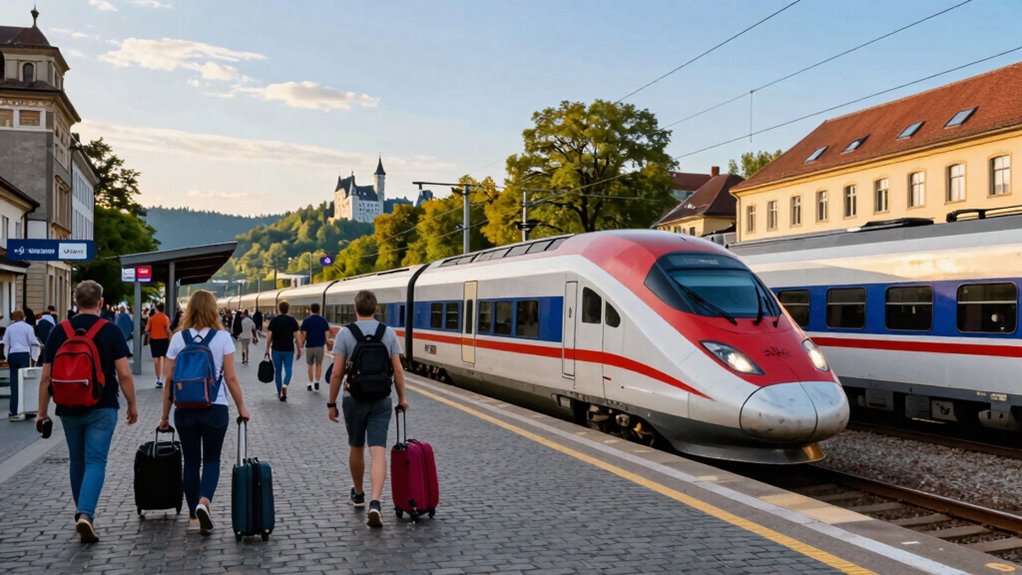
What makes exploring Germany smooth and enjoyable? Efficient transport options play a key role. Travelers can choose from high-speed ICE trains to regional services, all connected by Deutsche Bahn’s extensive network. Booking at least two weeks ahead helps secure the best fares, especially for long-distance journeys or overnight trains like City Night Line.
When driving, understanding Autobahn rules, such as no general speed limit in many parts, and emissions zones in cities is essential. Here’s a quick guide:
| Tip | Explanation |
|---|---|
| Validate tickets | Always punch train or bus tickets before boarding to avoid fines. |
| Use public transport | Metro, buses, and trains are reliable, cost-effective, and less tiring. |
| Rent a car wisely | Consider convenience versus fatigue after long flights. |
| Plan seasonal visits | Some sites close in late October, so check ahead. |
Understanding Regional Variations and Local Customs
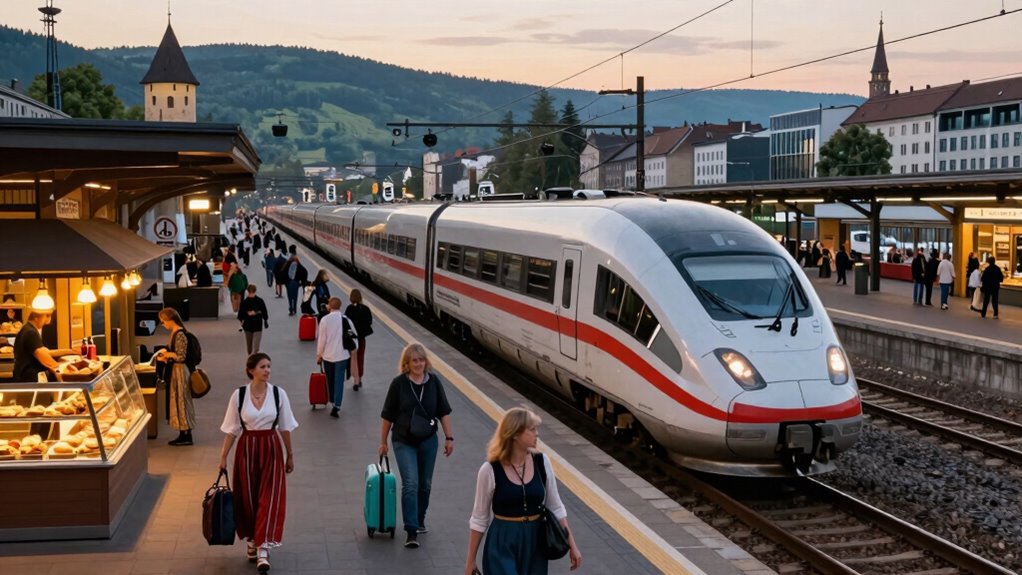
Germany’s diverse regions each have their own unique charm and customs, making it important for travelers to adjust their plans accordingly. For example, Bavaria’s traditions differ from Baden-Württemberg or Brandenburg, so understanding local habits helps avoid surprises. Here are key points to consider:
- Punctuality and transportation: Germans value punctuality, especially on public transport, which is well-organized but varies regionally.
- Shopping customs: Some areas restrict Sunday shopping, with exceptions like markets. Planning ahead is wise.
- Language and rules: While English is common near tourists, knowing basic German phrases and local driving rules, like emission zones, can make travel smoother. Paying attention to regional festivals and closures ensures a more authentic experience.
Recognizing these differences helps travelers blend in and enjoy each region’s unique offerings.
Final Checklist: Preparing for Your Trip and Avoiding Common Pitfalls
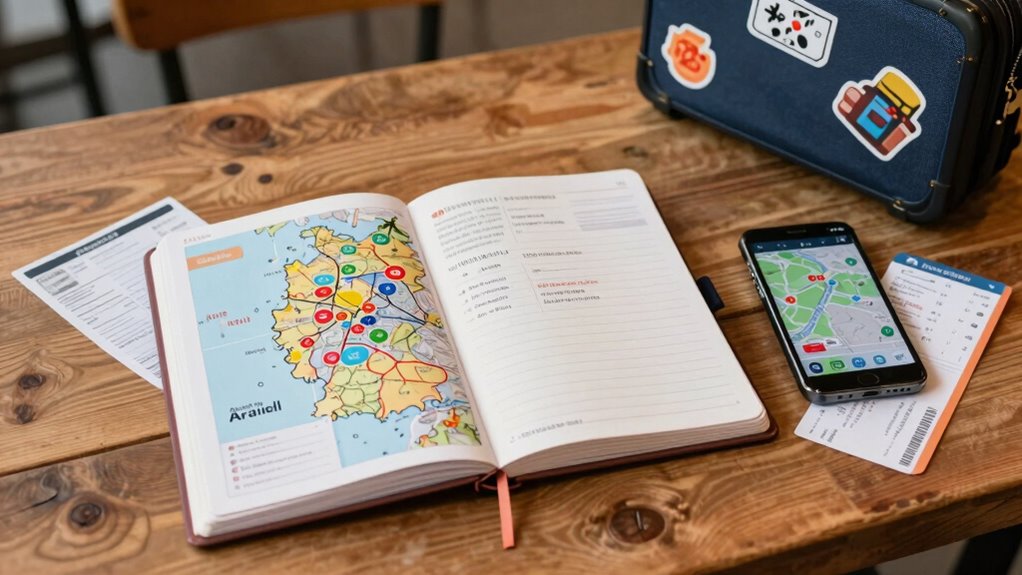
How can travelers guarantee they are fully prepared and avoid common mistakes before embarking on a trip to Germany? By creating a clear plan and double-checking essentials, travelers can enjoy a smooth journey. For example, confirming arrival details in Stuttgart and scheduling 1, 2 rest days helps prevent jet lag. Deciding how long to stay in Bacharach—whether four nights or fewer—depends on hotel availability and nearby sights.
Checking seasonal closures for spots like Vogtsbauernhof and Burg Eltz ensures trip adjustments aren’t needed later. Comparing driving and train options helps avoid fatigue, especially between Frankfurt and Würzburg. Using a printable day-by-day checklist or a route map keeps things organized and reduces stress.
| Task | Tip |
|---|---|
| Confirm arrival details | Allocate rest days to recover |
| Plan stay length in Bacharach | Check hotel availability |
| Check seasonal closures | Adjust day trips accordingly |
| Compare transport options | Balance flexibility and fatigue |